
Gobinda Prasad Pokharel
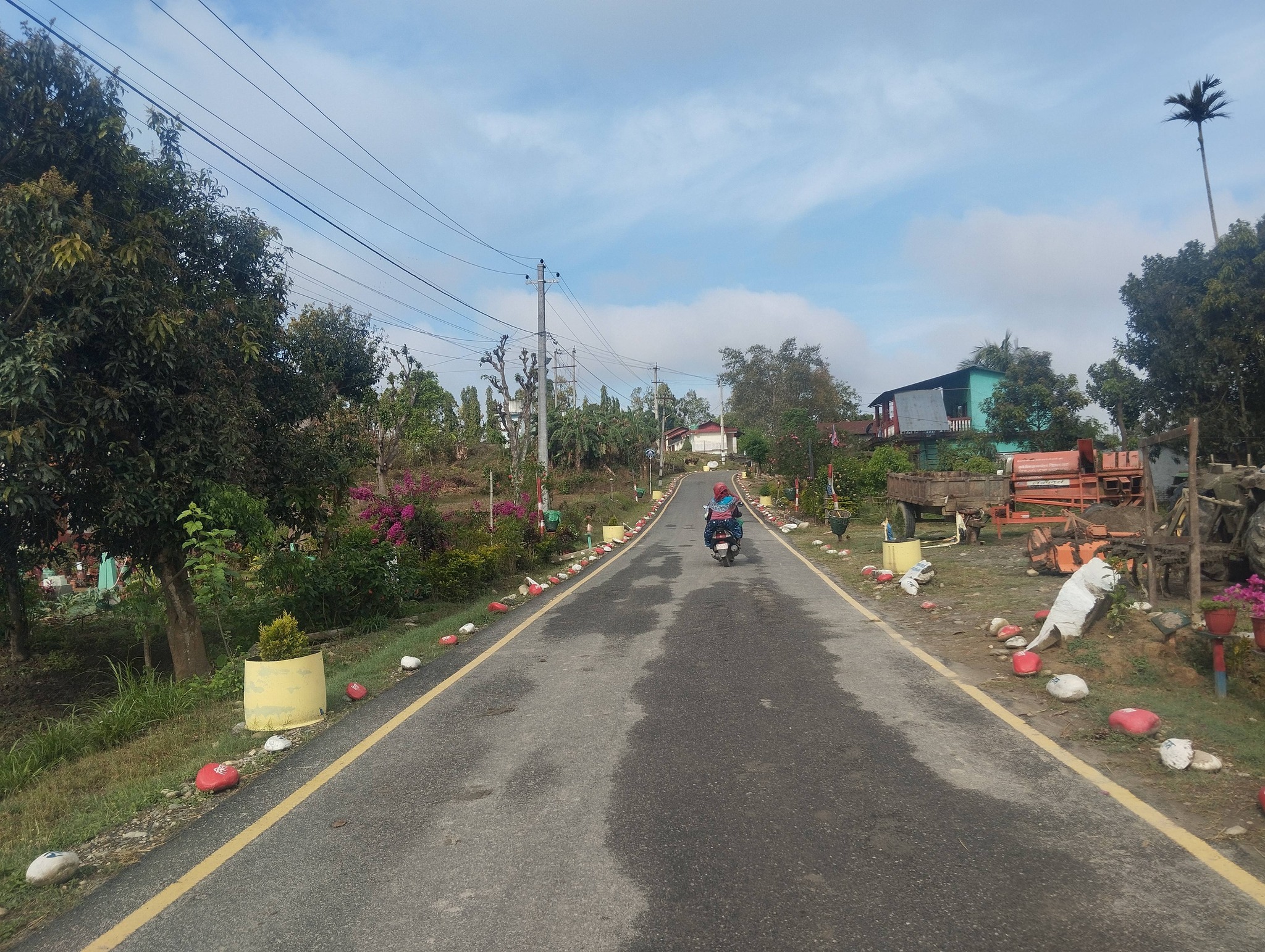
Last week I visited Madi, Chiwan as part of my official work. I am attracted by a village in Ayodhyamarga in Ward No. 8 of Madi. There is a village called Phulbari Tole in that ward. The village is actually transforming. Unique things are being implemented and practised here.
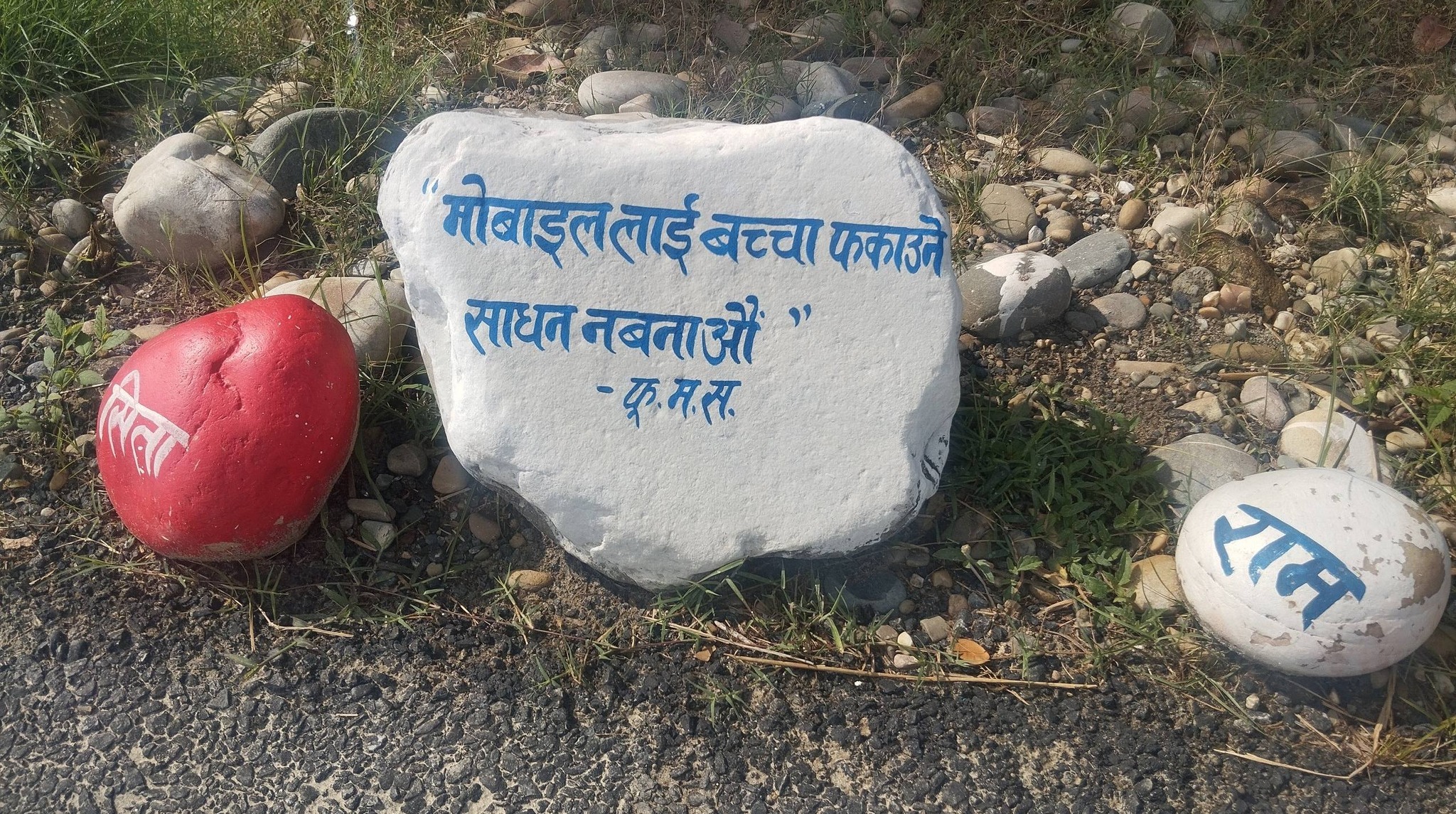
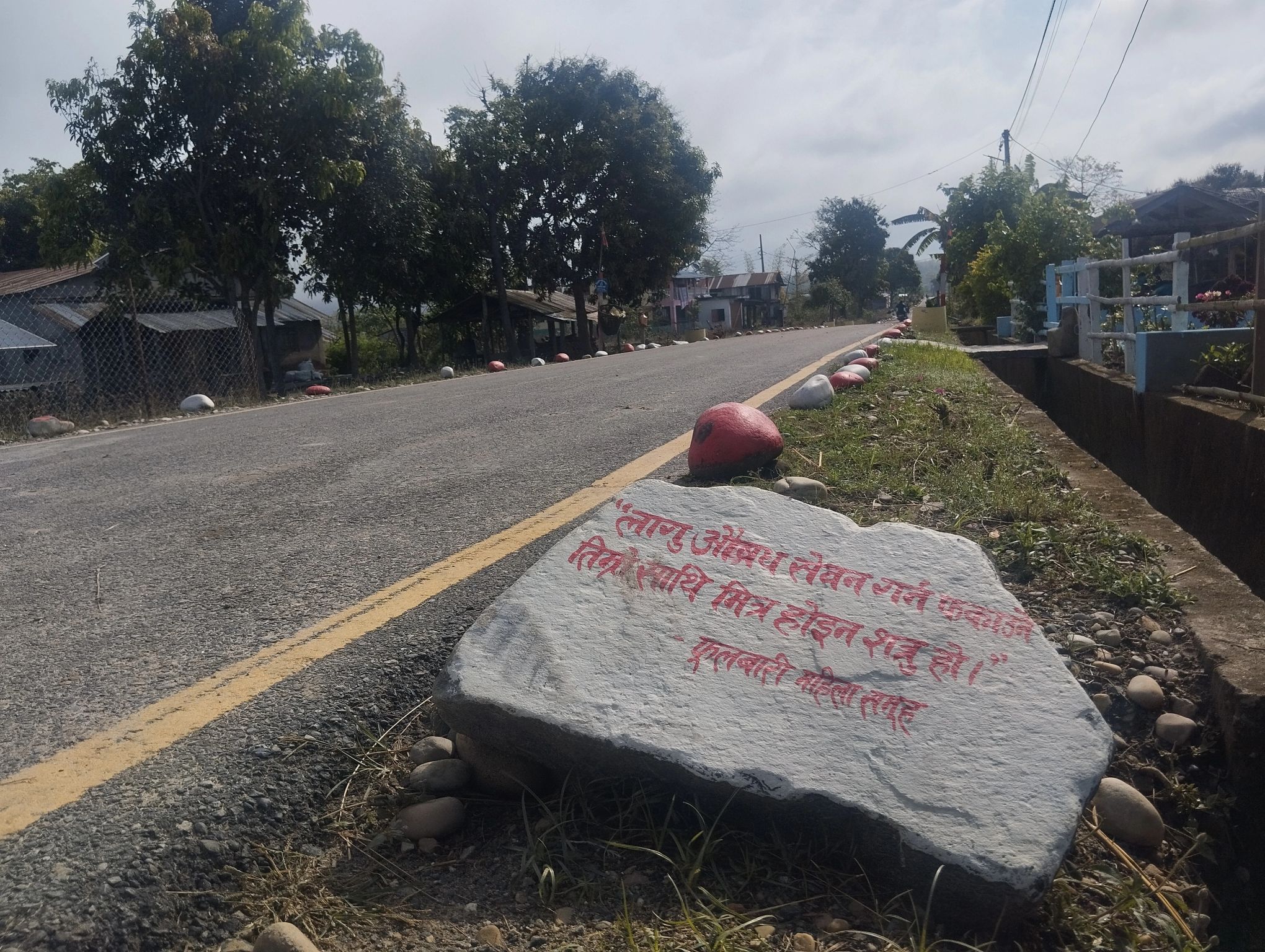
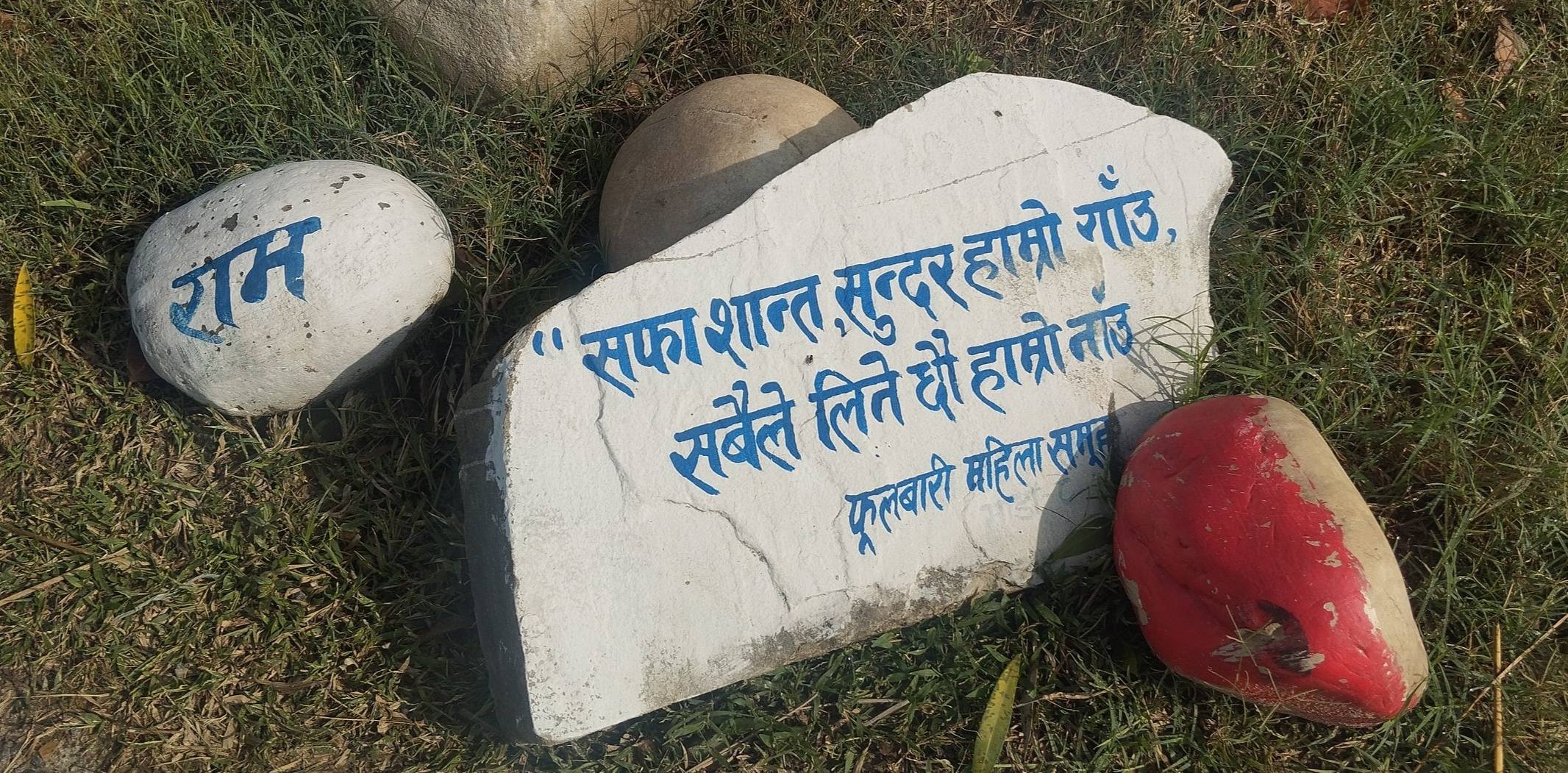
The community there is working tirelessly to transform their place into a model village under the leadership of the Phulbari Mothers’ Group. As you walk through the lanes, you will notice beautifully laid stones inscribed with the names ‘Ram’ and ‘Sita’ and almost every home is greeted by a lush, vibrant garden.
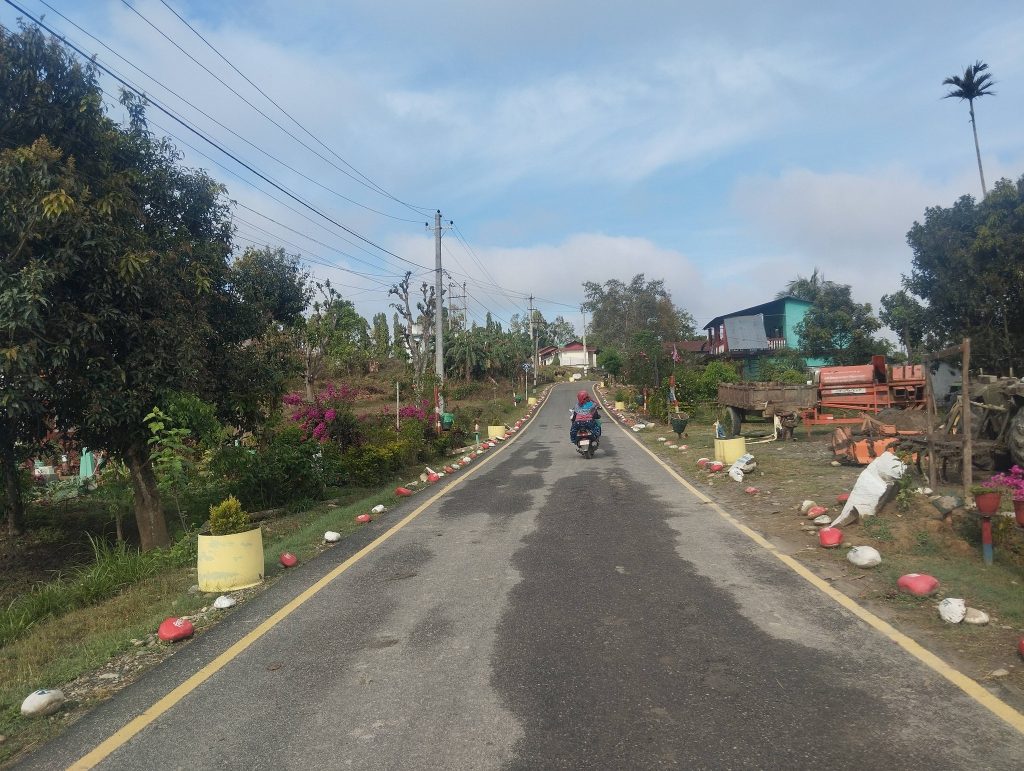
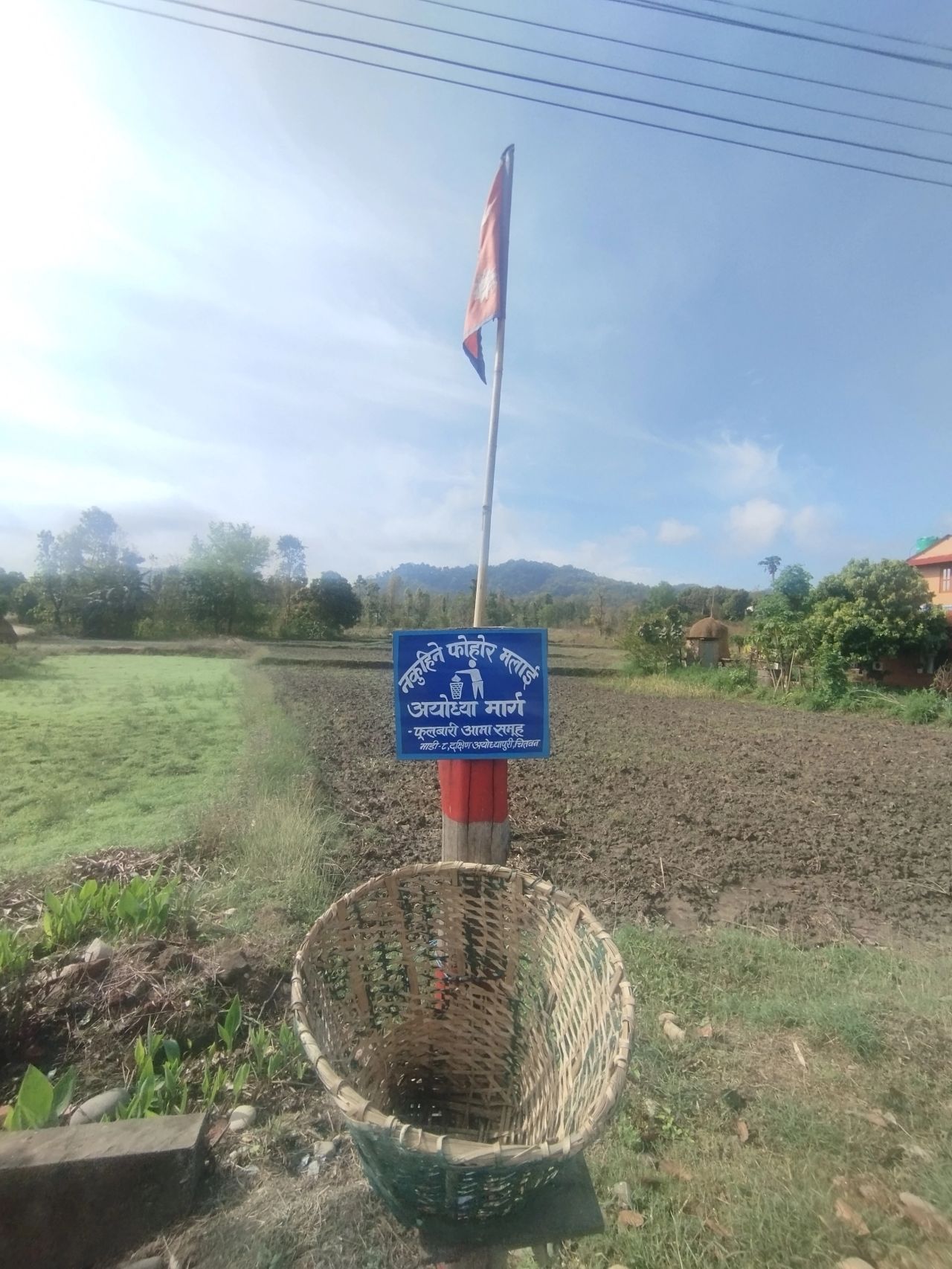
What makes this village truly special is its commitment to environmental by reducing plastic waste. These very stones carry eco-friendly messages.
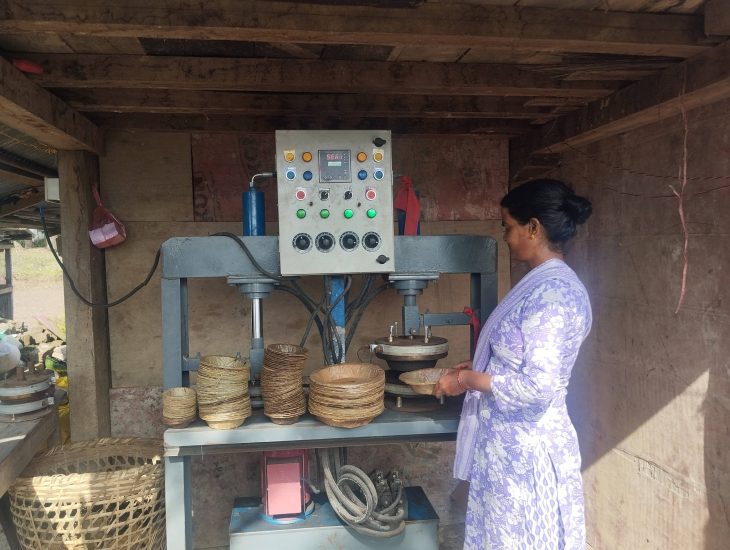
With technical support from the National Trust for Nature Conservation, the community has established a local industry using two specialized machines to produce Duna-Tapari (traditional leaf plates and bowls). This activity is run directly by the Phulbari Mothers’ Group and local residents, aims to completely phase out the use of plastic.
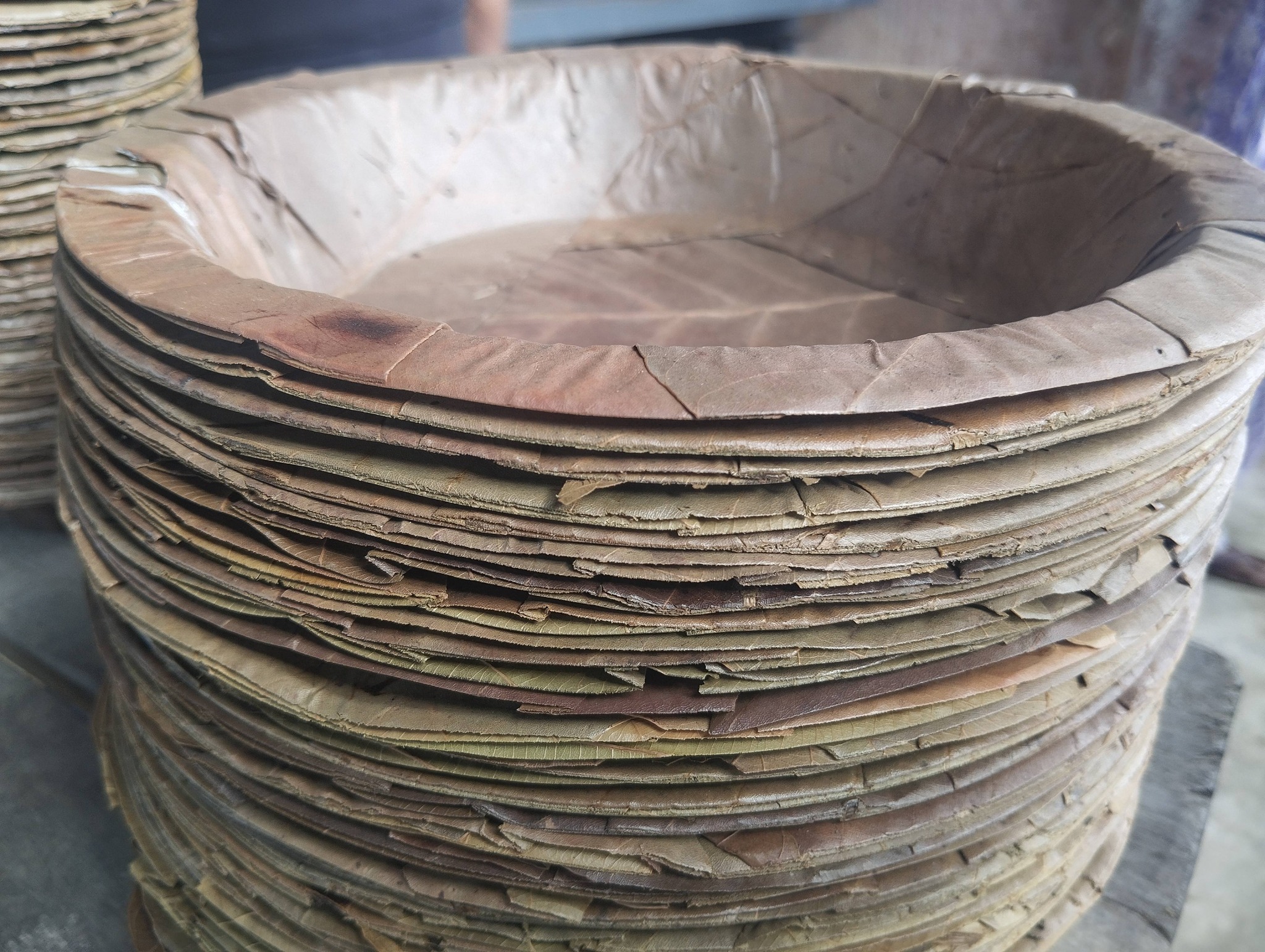
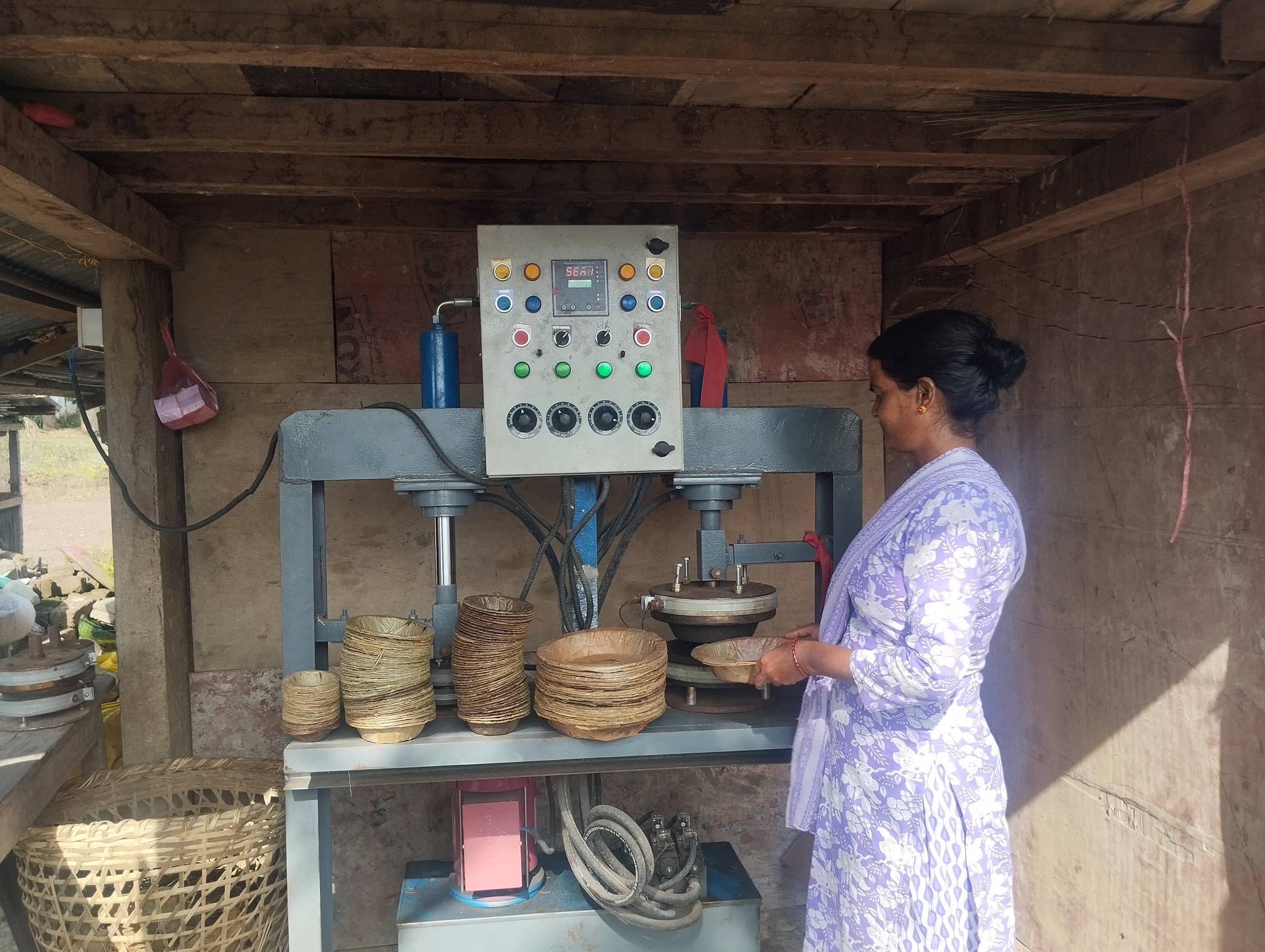
The group consists of 32 women members who collect fallen Sal leaves from the nearby Buffer Zone Community Forest. They dry these leaves and process them through machines to create biodegradable plates. This campaign is an example of how environment protection can go hand-in-hand with economic empowerment, allowing local women to generate an income right from their homes.
The small factory has the capacity to produce over 300 leaf plates a day, which are sold for anywhere between 1 to 5 rupees depending on the size. Unlike plastic, which plagues the environment, these Sal leaf products decompose naturally and pose no threat to nature.
hashtagNTNC hashtagconservation hashtagmadi hashtagLivelihood hashtagplasticfree hashtagenvironment hashtaggobindapokharel hashtagbeatplasticpollution hashtagbufferzone hashtagmadiValley hashtagchitwan


