Category - News

Inside the Origin of the Rasuwa Mega Flood

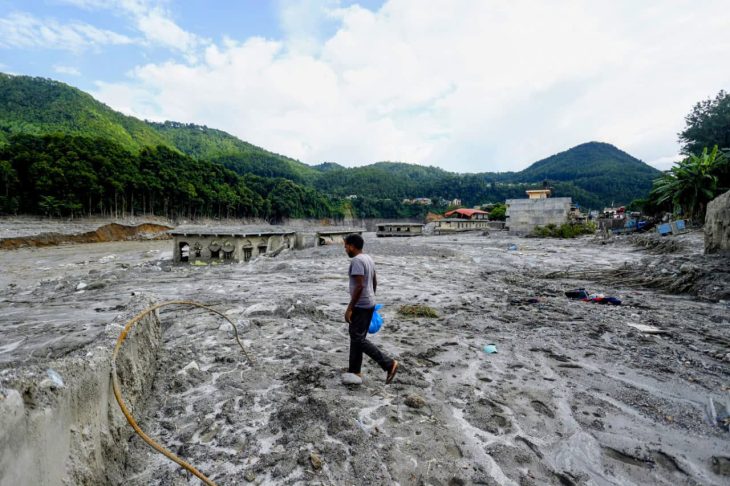
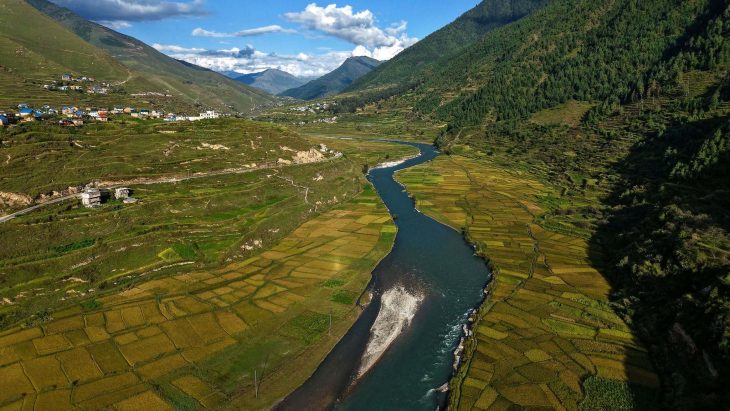
On the morning of 26 August 2026, a catastrophic wall of water and debris tore through northern Nepal’s Bhote Koshi corridor, leaving widespread devastation in its wake. While early speculation blamed a ruptured glacial lake, satellite analysis uncovered a far more terrifying origin: an unprecedented mass collapse on the northern flank of the Langtang-Lirung massif. To comprehend why this event wreaked such downstream destruction, one must examine the extraordinary physical scale, volume, and gravitational energy unleashed at the mountain’s source.

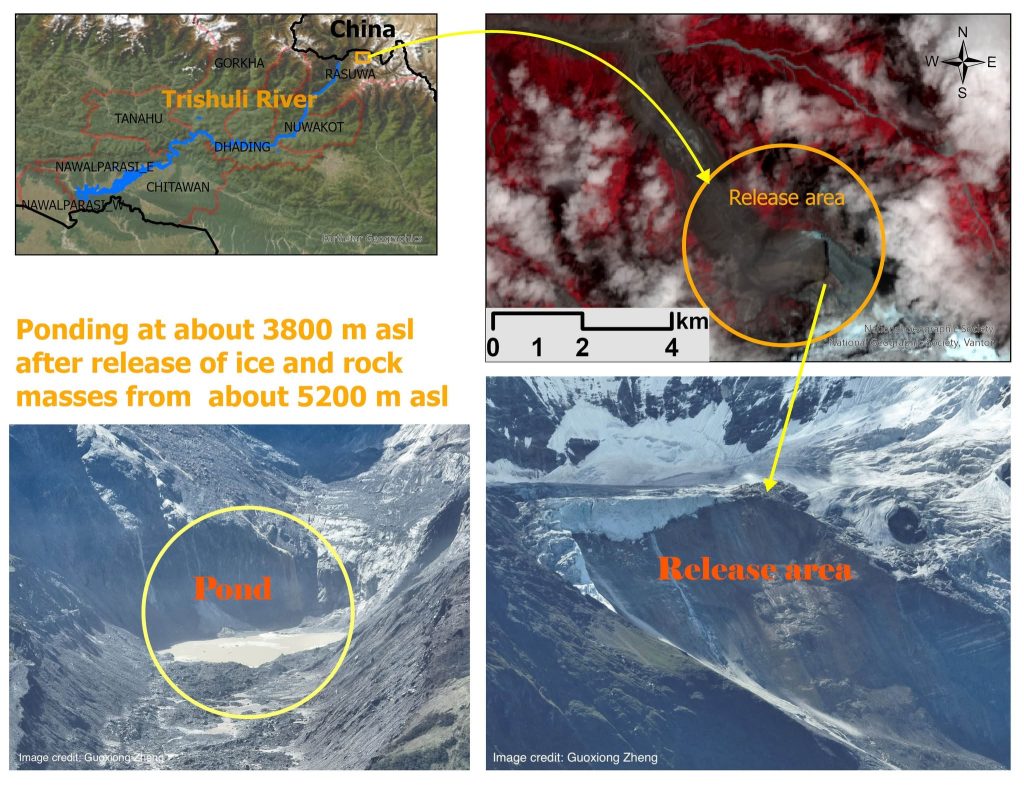
The catastrophe began high up at an elevation of approximately 5,200 meters above sea level. At 8:37 AM, a massive slab of hanging glacier and frozen bedrock violently broke away, plummeting 1,400 meters down to the 3,800-meter mark and slamming into the lower debris-covered glacier. This initial 1,400-meter vertical freefall alone dwarfs Angel Falls, the tallest waterfall on Earth. The colossal impact gouged out a deep depression that instantly formed a new 0.19-square-kilometer lake, simultaneously scouring and mobilizing vast amounts of secondary debris.

The combined torrent then plunged another 1,100 meters into the Lhende River gorge at 2,900 meters. Overall, the mass fell through a total vertical drop of 2,300 meters—nearly three times the entire height of Dubai’s Burj Khalifa and more than double the sheer rock face of Yosemite’s El Capitan.

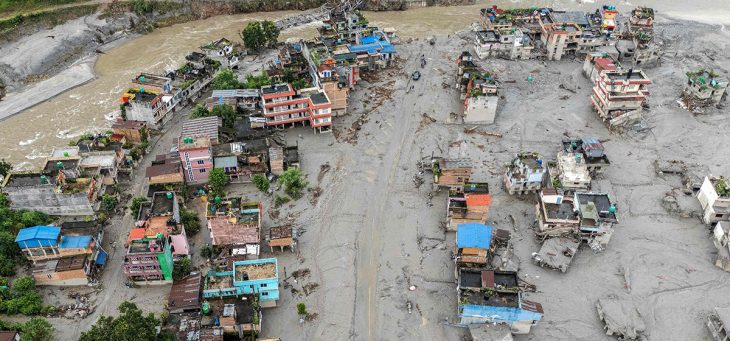
Source area in Gosaikunda Rural Municipality showing detachment at ~5,200 m and ponding at ~3,800 m (Image Credit: Guoxiong Zheng).

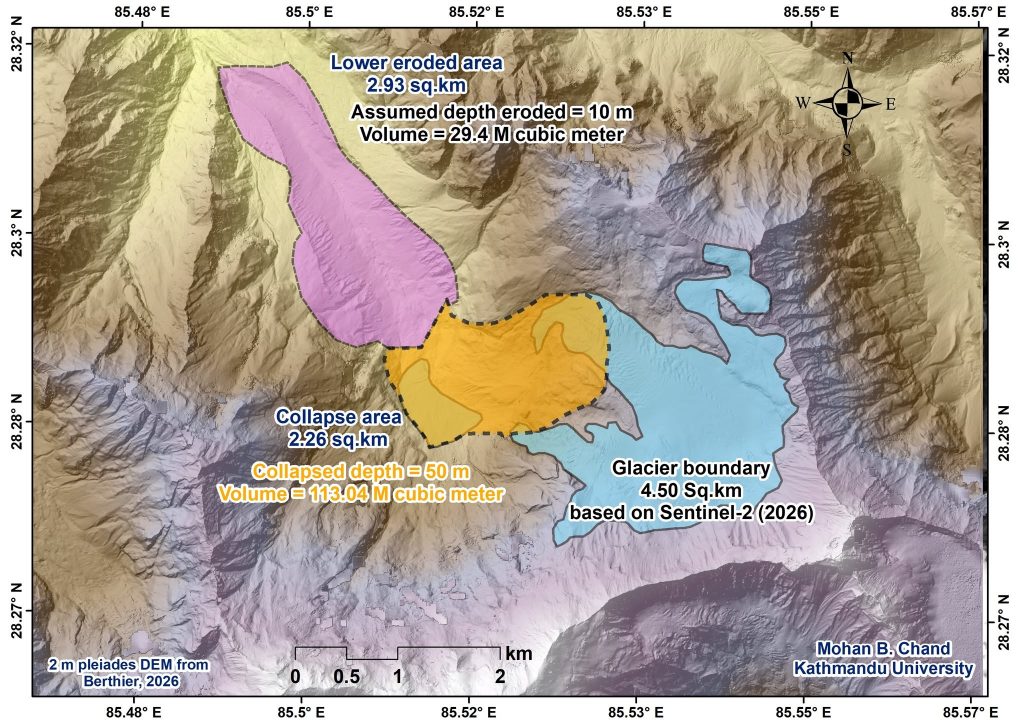
The sheer volume of mobilized earth defies ordinary comprehension. Satellite investigations mapped a 2.26-square-kilometer primary collapse zone averaging 50 meters in depth, alongside a 2.93-square-kilometer secondary erosion track. Together, they ripped away and mobilized over 142 million cubic meters of ice, rock, and sediment. To put that in perspective, this is equivalent to roughly 55 Great Pyramids of Giza or nearly 57,000 Olympic-sized swimming pools of solid mountain material surging down the slopes within minutes. The total disrupted footprint of 5.19 square kilometers is larger than New York City’s Central Park and more than two and a half times the area of the entire nation of Monaco.

Detailed mapping of the 2.26 km² collapse zone and newly created 0.19 km² lake at the impact site

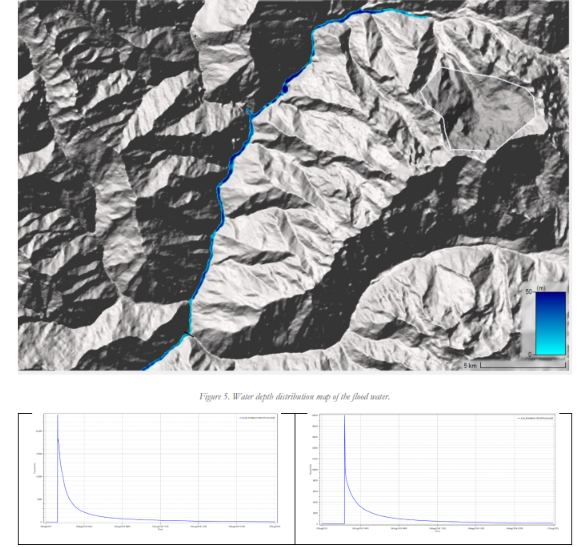
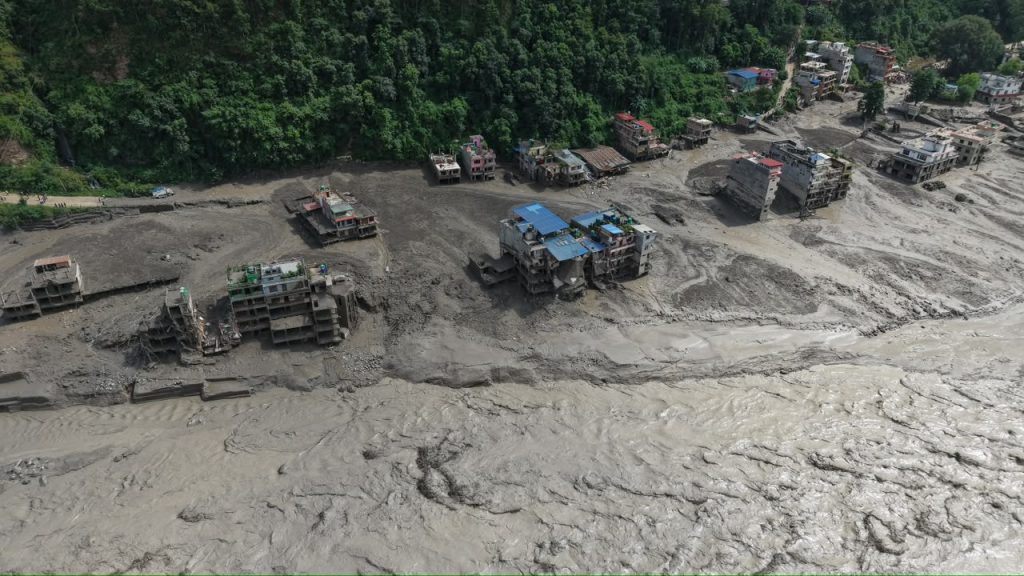
When this immense slurry crashed into the Lhende River, it temporarily choked the narrow gorge before bursting downstream with terrifying kinetic energy. The force of millions of tons slamming against the valley floor was so violent that seismic networks registered ground motion comparable to a local earthquake. Rocketing down the valley at speeds of 54 km/h (15 m/s), the slurry surged past Syaphrubesi with a peak discharge of roughly 23,000 cubic meters per second. That peak flow is nearly ten times the average discharge of Niagara Falls, crammed into a razor-thin Himalayan canyon.

imulated hydrograph illustrating the massive 23,000 m³/s discharge peak recorded along the corridor

Crucially, this mega-flood occurred without any preceding heavy rainfall, highlighting that it was not a conventional weather-driven event. It was instead an explosive chain reaction of high-altitude rock destabilization, permafrost thaw, and glacial entrainment in a geologically fragile landscape. By converting massive gravitational potential energy across thousands of vertical meters into destructive fluid force, the Langtang-Lirung disaster serves as a sobering preview of how cryospheric hazards are evolving in the high Himalayas.

References:

  • Chand, M. B., Kayastha, R. B., Adhikari, S., Pokharel, A., Moktan, B., Bajracharya, H., Basnet, U., & Paudel, P. K. (2026). Rapid situation report: Bhotekoshi-Trishuli catastrophe. Jointly prepared by Youth Alliance for Environment (YAE), Himalayan Cryosphere, Climate and Disaster Research Center (HiCCDRC) – Kathmandu University (KU), and Society for Conservation Biology Nepal.

How Himalayan Flash Floods Paralyzed Nepal’s Strategic Corridors

When the ice-rock avalanche collapsed from Langtang Lirung on the morning of 26 August 2026, the physical shockwave did not stop at the riverbanks of Rasuwa. It systematically struck at the twin economic pillars sustaining modern Nepal: national electricity generation and northern cross-border trade. In less than a day, a single mountain drainage corridor transformed from a strategic industrial artery into a multi-billion-dollar zone of paralysis.

The energy sector suffered an immediate, crushing blow. The surge tore through 14 hydropower projects along the Bhote Koshi and Trishuli basins, affecting a staggering 748 MW of capacity across nine operating plants and five under active construction. Plants like Upper Trishuli 3A, Chilime, and Rasuwagadhi were caught directly in the path of the slurry. With approximately 431 MW knocked off the national grid within hours—representing roughly 10 percent of Nepal’s entire generating capacity—the disaster exposed the severe vulnerability of centralizing energy assets inside narrow, high-velocity glacial riverbeds. The total destruction of the Trishuli 220 kV 3B Hub Substation, coupled with six snapped transmission corridors, effectively severed high-voltage evacuation routes and left the national power grid scrambling to avert wider outages.

Simultaneously, the deluge severed Nepal’s primary commercial gateway to China. The Rasuwagadhi–Gyirong corridor was knocked offline almost instantly as the flood pulverized the dry port, flattened border facilities, and left customs officials unaccounted for. Along the critical Betrawati–Rasuwagadhi highway, an estimated 42 kilometers of roadbed were either washed out or buried, alongside the complete destruction of 68 bridges—35 motorable and 33 suspension. Transport fleets carrying cargo, construction machinery, and local commerce were stranded or crushed. Further downstream, key highway links like Krishnavir along the Prithvi Highway buckled under the river’s fury, cutting off the main logistical lifeline that feeds Kathmandu and neighboring commercial centers.

Beyond physical infrastructure, the socio-economic machinery vanished into the mud. In towns like Timure, Syaphrubesi, and Betrawati, nine commercial bank branches were wiped out, stranding banking personnel and paralyzing local liquidity. The sudden closure of the Langtang trekking circuit left over 500 foreign trekkers stranded and instantly drained seasonal revenue from hoteliers, guides, and porters whose livelihoods depend entirely on autumn tourism.

With initial direct physical damages to roads, bridges, and energy assets pegged at roughly NPR 200 billion (around USD 1.3 to 1.5 billion), and comprehensive reconstruction needs projected at USD 4 to 5 billion, the disaster is a harsh reality check. This corridor was already recovering from a previous flood in July 2025, yet public assets and settlements were rebuilt in the very same high-risk flood paths. The Trishuli-Bhote Koshi disaster proves that rebuilding back the same way is an unsustainable gamble; unless hazard modeling and cryosphere science are embedded into how Nepal designs energy corridors and trade transit routes, the nation remains one slope failure away from economic paralysis. f

Madi’s Women are leading green change

Gobinda Prasad Pokharel

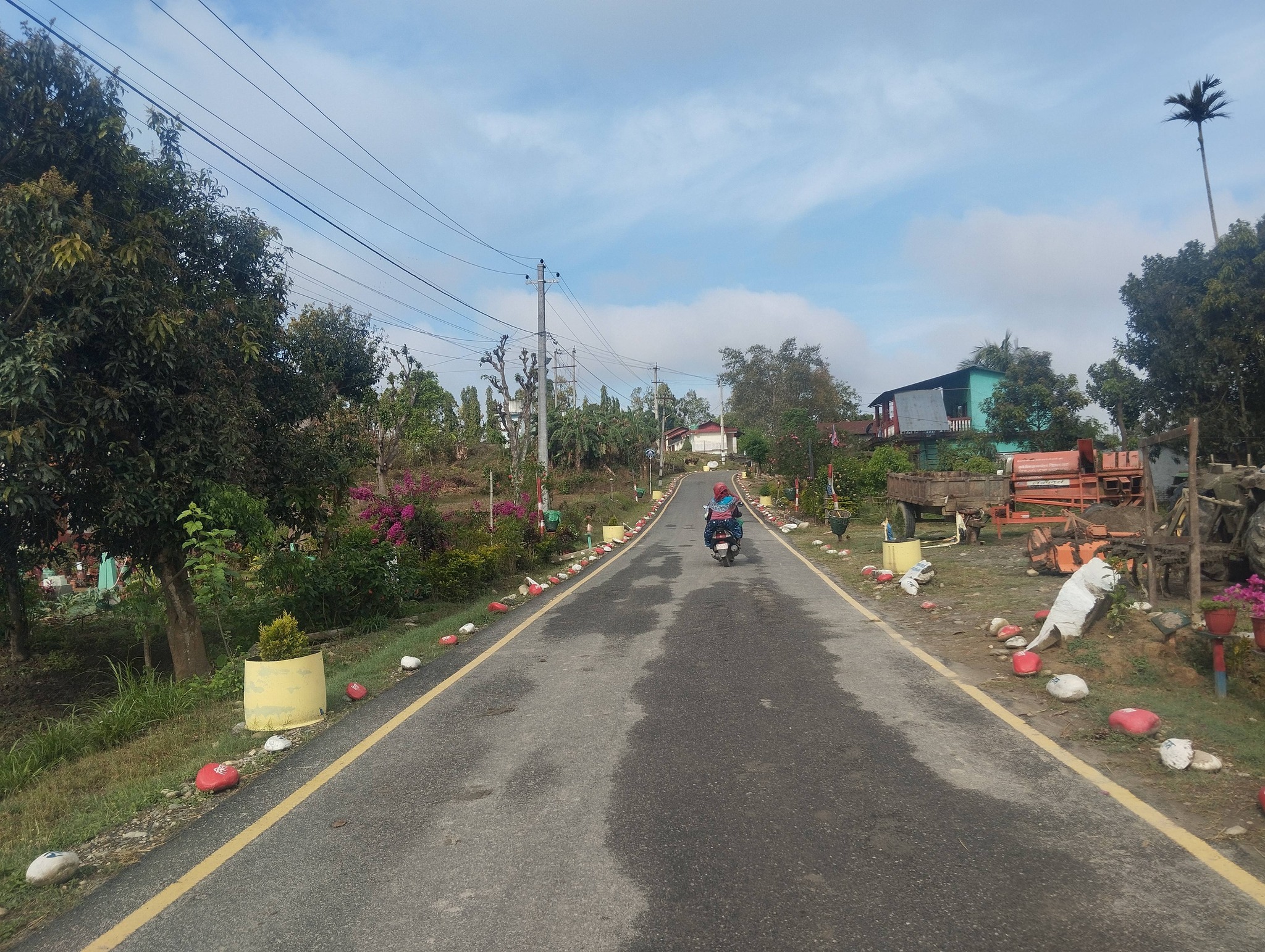
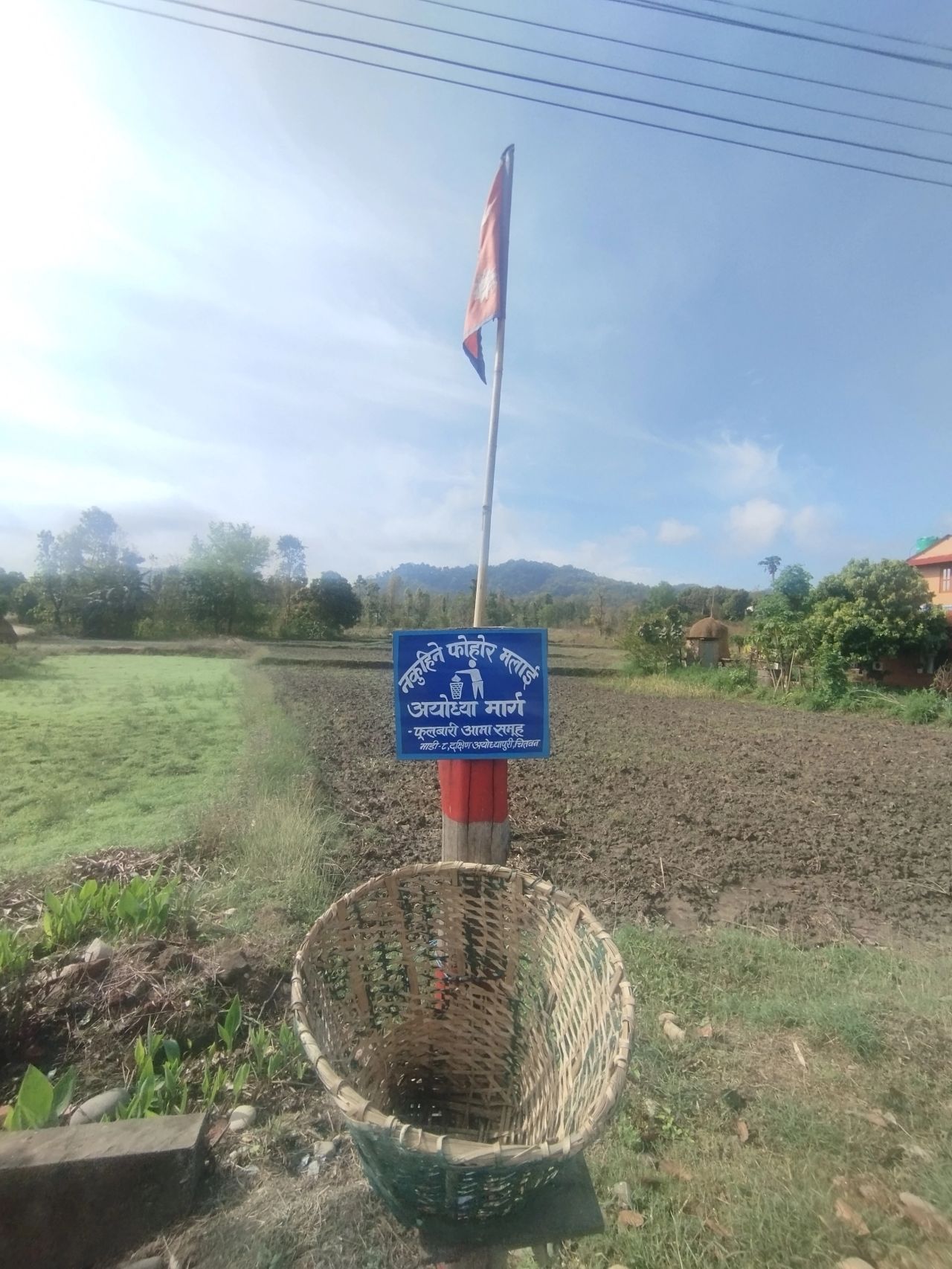
Last week I visited Madi, Chiwan as part of my official work.  I am attracted by a village in Ayodhyamarga in Ward No. 8 of Madi. There is a village called Phulbari Tole in that ward. The village is actually transforming. Unique things are being implemented and practised here.

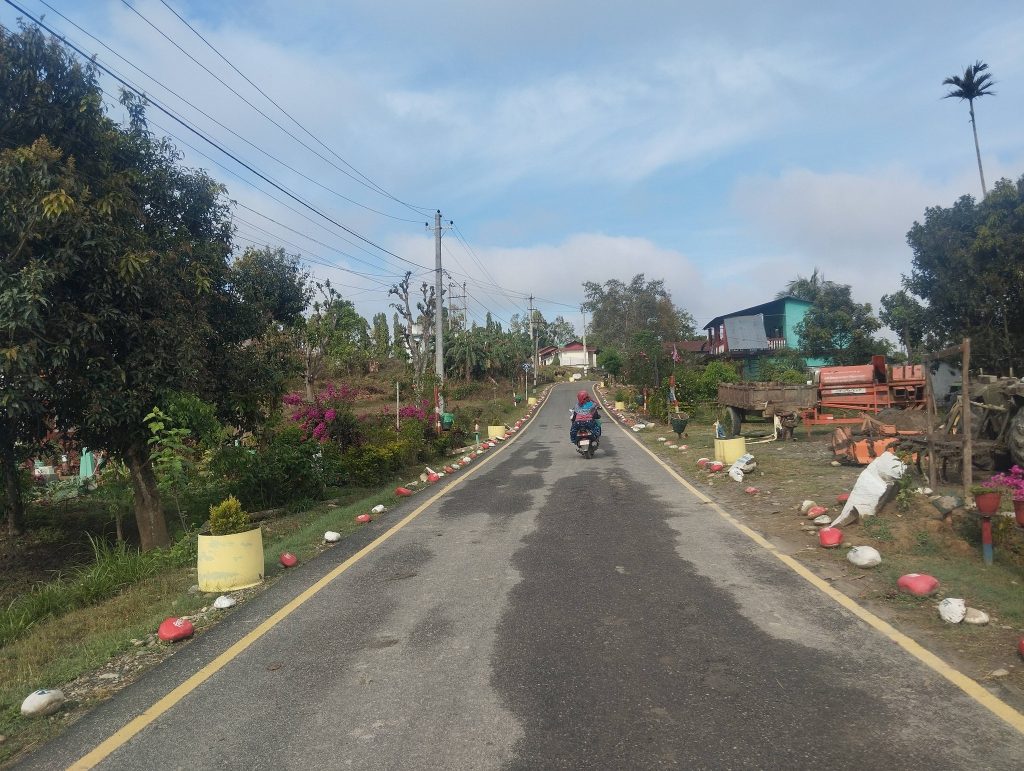
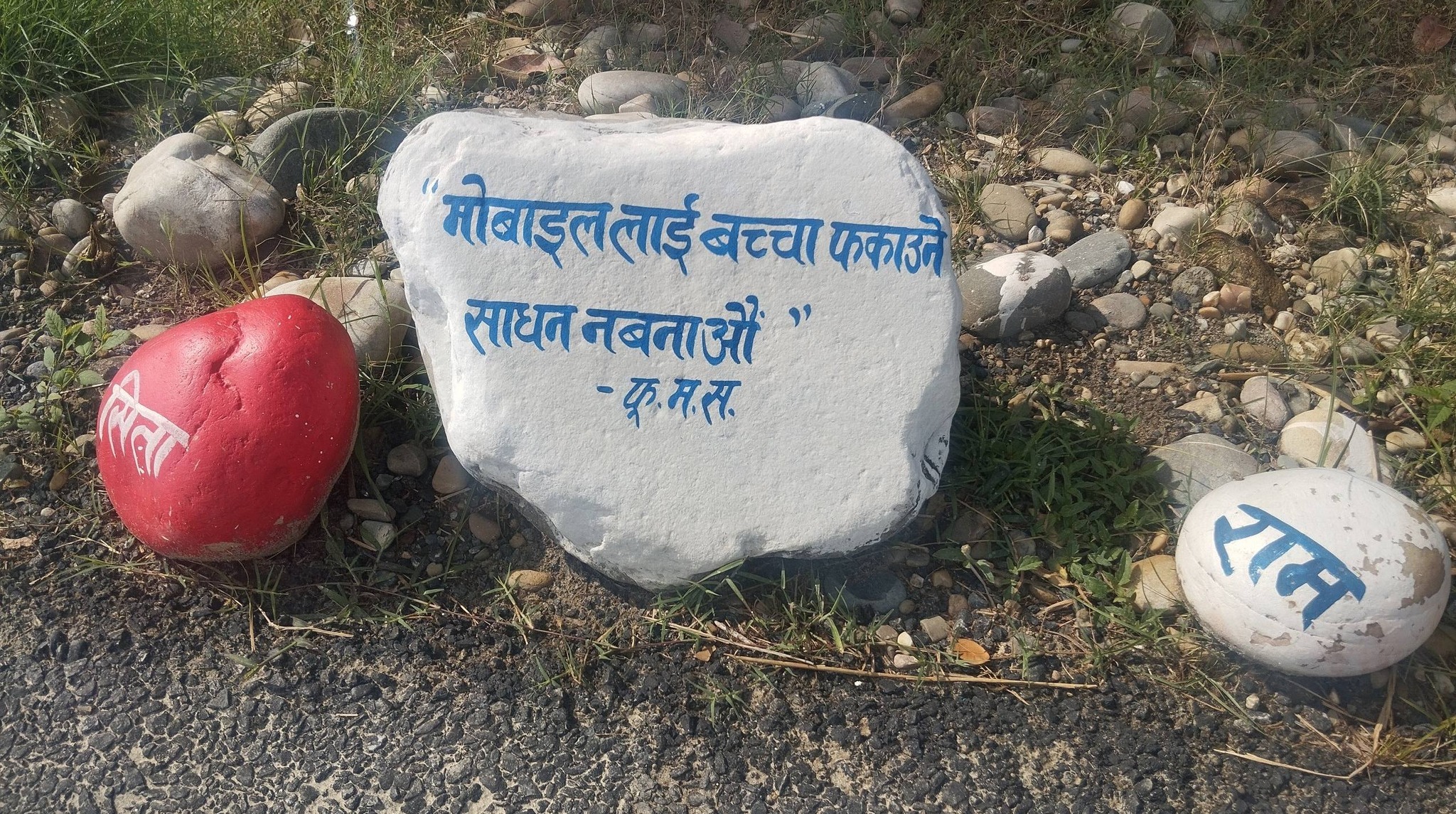
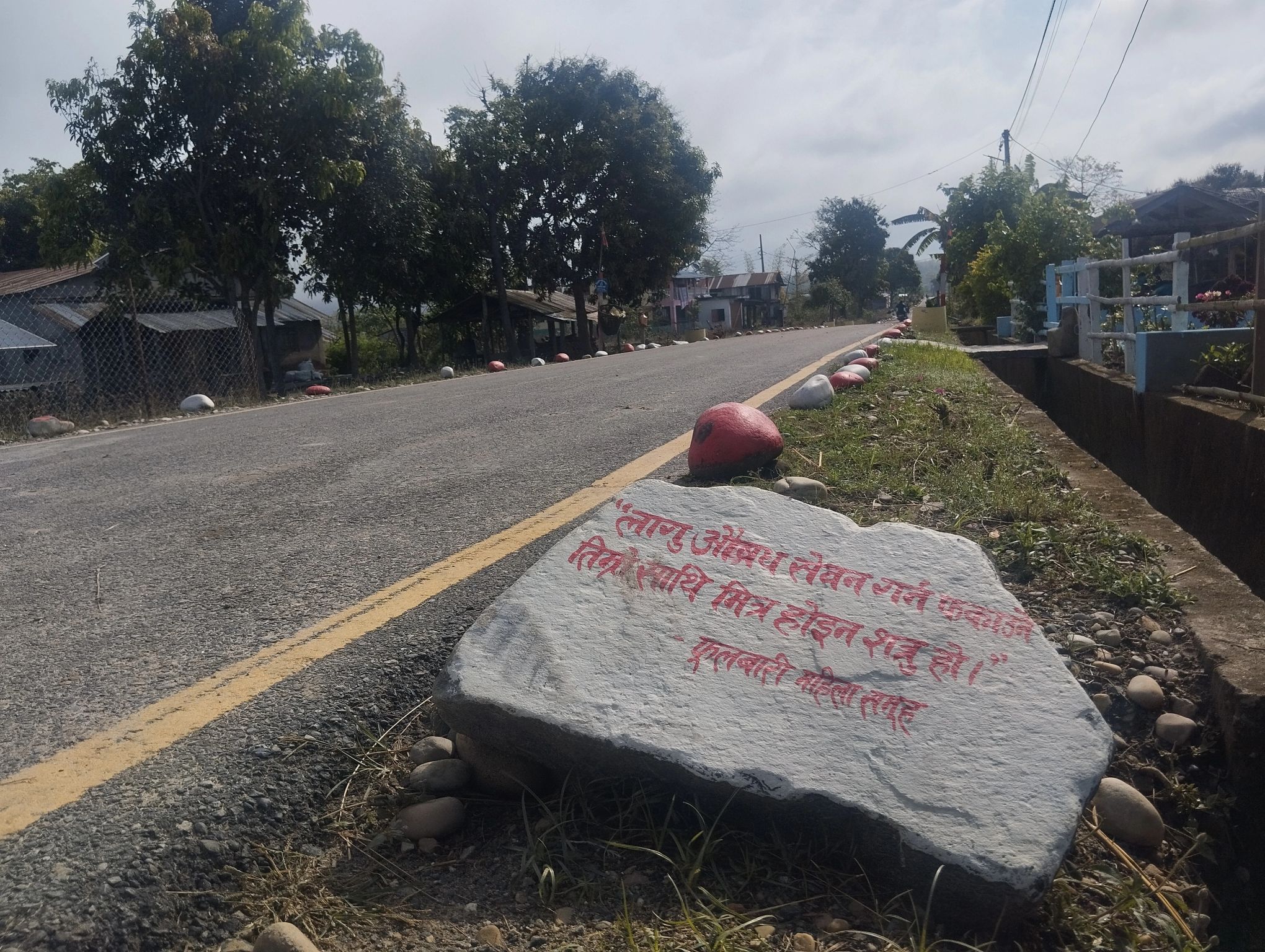
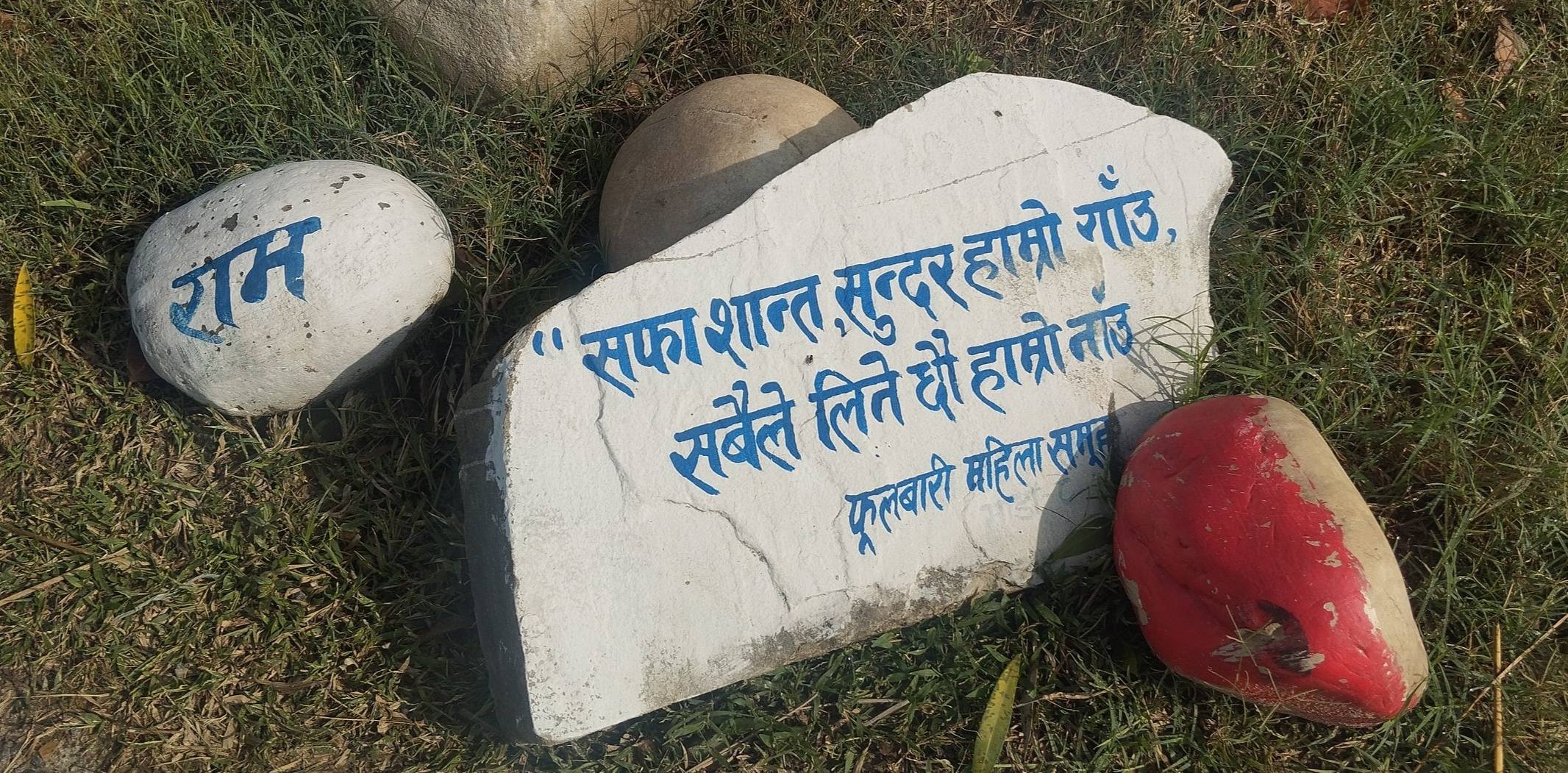
The community there is working tirelessly to transform their place into a model village under the leadership of the Phulbari Mothers’ Group. As you walk through the lanes, you will notice beautifully laid stones inscribed with the names ‘Ram’ and ‘Sita’ and almost every home is greeted by a lush, vibrant garden.

What makes this village truly special is its commitment to environmental by reducing plastic waste. These very stones carry eco-friendly messages.

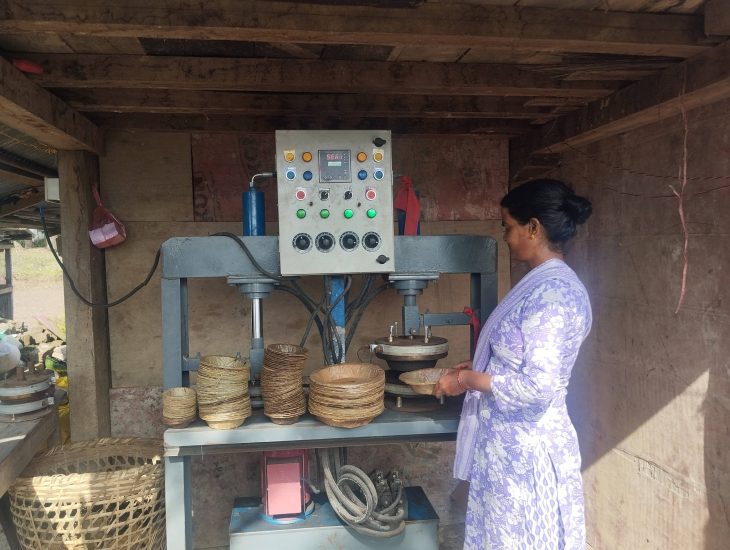
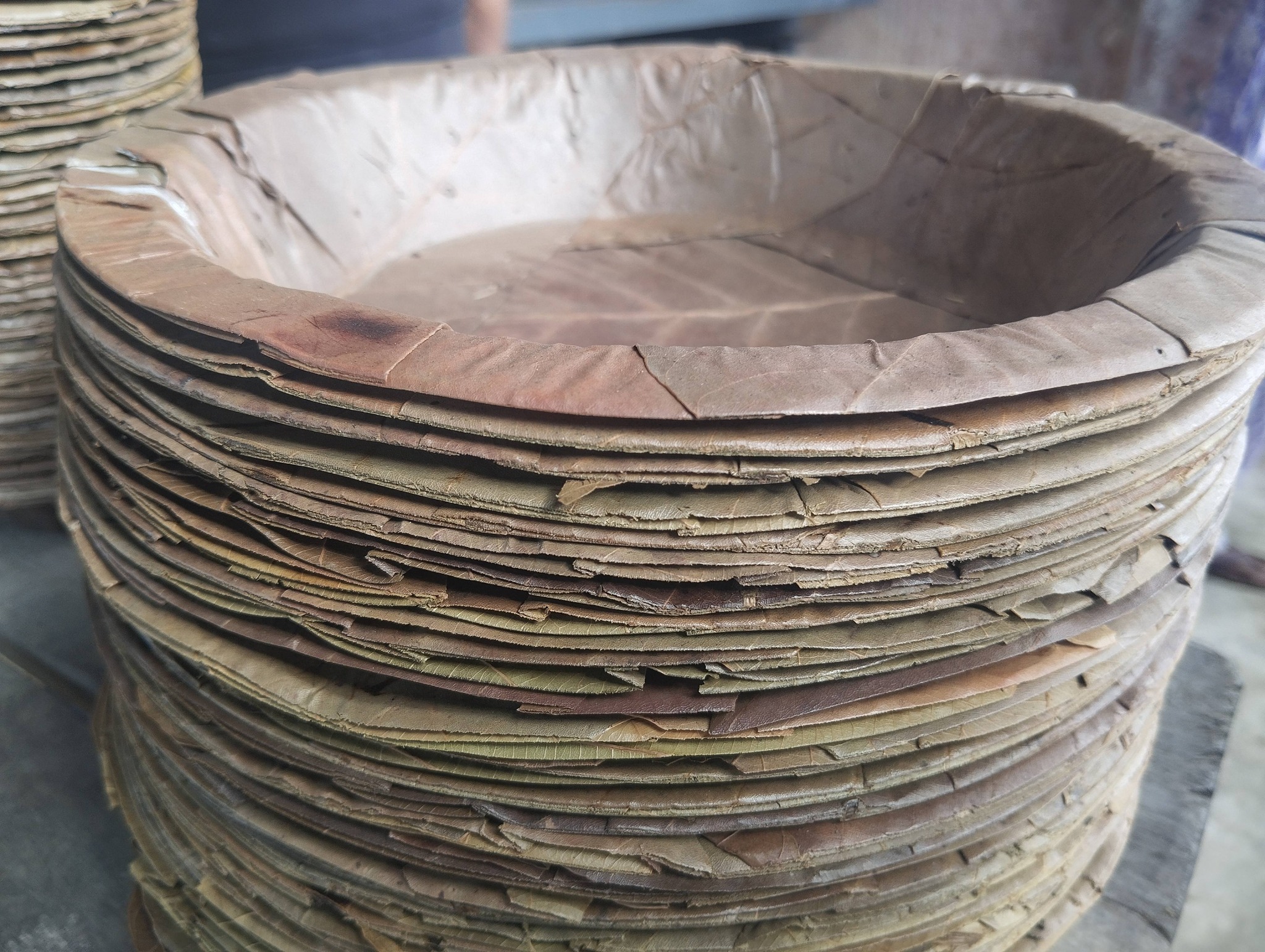
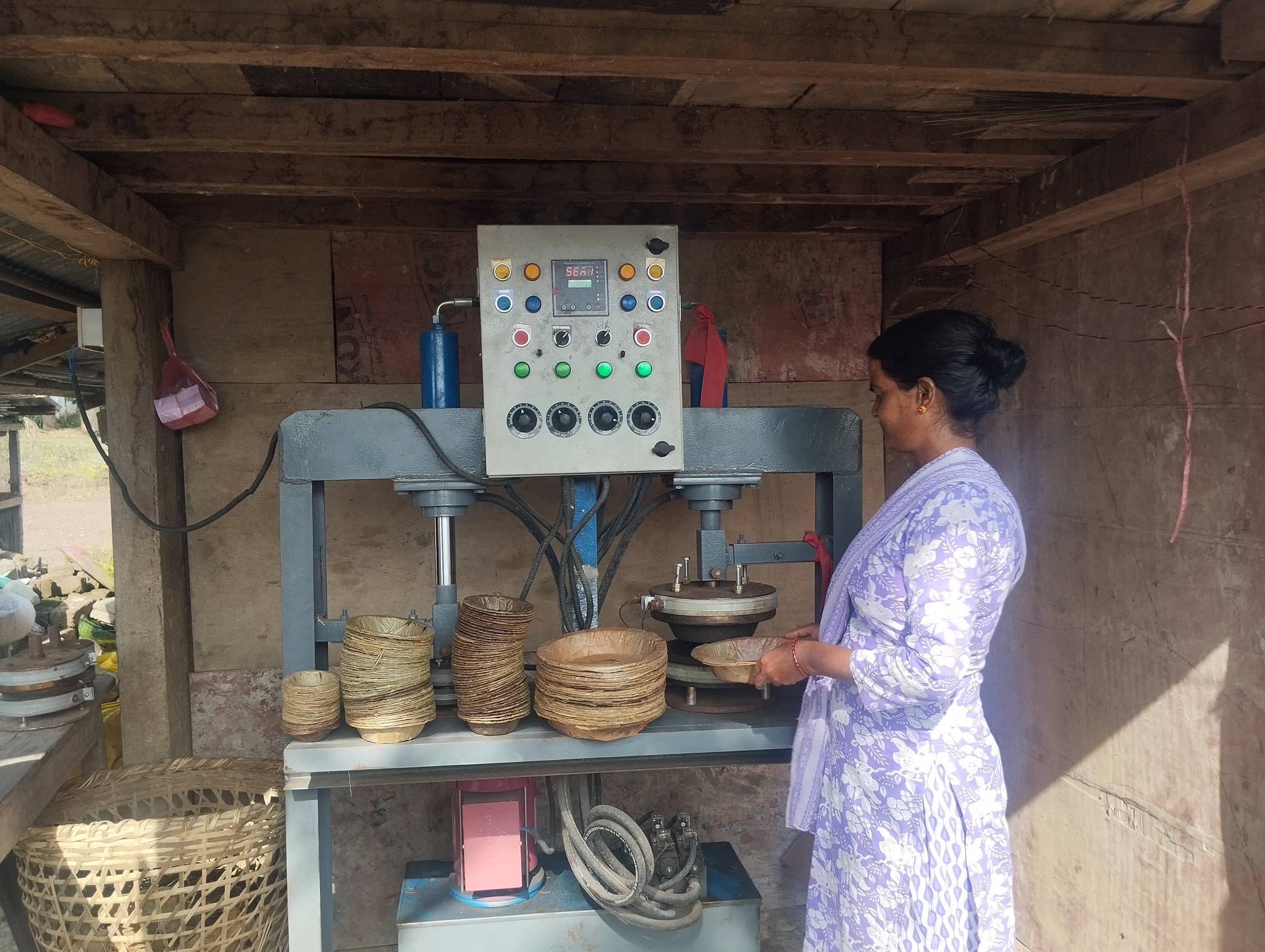
With technical support from the National Trust for Nature Conservation, the community has established a local industry using two specialized machines to produce Duna-Tapari (traditional leaf plates and bowls). This activity is run directly by the Phulbari Mothers’ Group and local residents, aims to completely phase out the use of plastic.

The group consists of 32 women members who collect fallen Sal leaves from the nearby Buffer Zone Community Forest. They dry these leaves and process them through machines to create biodegradable plates. This campaign is an example of how environment protection can go hand-in-hand with economic empowerment, allowing local women to generate an income right from their homes.

The small factory has the capacity to produce over 300 leaf plates a day, which are sold for anywhere between 1 to 5 rupees depending on the size. Unlike plastic, which plagues the environment, these Sal leaf products decompose naturally and pose no threat to nature.

hashtagNTNC hashtagconservation hashtagmadi hashtagLivelihood hashtagplasticfree hashtagenvironment hashtaggobindapokharel hashtagbeatplasticpollution hashtagbufferzone hashtagmadiValley hashtagchitwan

Royalty and Hollywood for Nepal’s Tigers

Gobinda Prasad Pokharel

It was the second week of Chaitra, 2072 (March 2016), Prince Harry of the United Kingdom was on a rafting trip along the Khoriya River in Bardiya. Bird expert Hem Sagar Baral, wildlife expert Shanta Raj Gyawali, nature guide Rajan Kshetri and others were accompanying the trip. Baral had brought two expensive binoculars made by Swarovski. Aware of the etiquette and formalities needed when meeting a member of the royal family, including appropriate language and dress, the team was cautious. However, Harry stood out as different from other royal family members.

Read More

Sharpie and Trump : The Pens of U.S Presidents in Politics

Gobinda Prasad Pokharel

As soon as Donald Trump was sworn in as the 47th President of the United States, he issued a series of executive orders. Withdrawing from the Paris Agreement, WHO, pardoning the people convicted in the 2021 Capitol riot, declaring a national emergency at the southern border and establishment of Department of Government Efficiency (DOGE) under Elon Musk’s leadership were the major executive orders during the inagural day. According to the National Archives and Records Administration, 26 executive orders were issued on the first day of inaugural. By the time of writing this article as of 14th March 2025, 89 of Trump’s executive orders had been made public by the National Archives.

Read More

Addressing monkey menace in Nepal

The ongoing issue of the monkey menace in Nepal has sparked debate among policymakers and stakeholders on conflict mitigation.

Some advocate for budget allocation as a solution, thinking funding will reduce the problem. Others suggest alternative farming practices, while some argue that vasectomy procedures for male monkeys could be more effective.

Read More

Question arises as EIA report claims absence of fish species in Budhigandaki Hydropower project area

Environmental Impact Assessment (EIA) report for the 81 MW Budhigandaki Hydropower Project claims that there is no any fish in the project area. This has raised concerns among the experts.

The EIA report which was approved by the Ministry of Energy and awaiting approval from the Ministry of Forests and Environment of Nepal is in debate and has created skepticism.

Read More

Rising snake bites in Nepal: A cause for concern

Gobinda Prasad Pokharel

On May 16th, two young brothers, 13-year-old Grish Pahadi and 3-year-old Grishma Pahadi, tragically lost their lives due to snake bites in Dudhauli Municipality-1 Kurthauli of Sindhuli. The snake bit Grish on his left finger and Grishma on his left leg while they were sleeping in their cement block house with a tiled roof.

With the beginning of April, the cases of snakebite have started to increase in Terai and central hilly areas of Nepal. Shukraraj Tropical Hospital in Kathmandu has also seen an increase in snakebite patients over the past month. According to the hospital’s director, Dr. Manisha Rawal, the number of patients is gradually increasing from 1-2 per day to 3–4 per day. On Monday alone, three snakebite patients were being treated at the hospital. Dr. Rawal informed me that patients come from districts surrounding Kathmandu such as Kavre, Bhaktapur, Nuwakot, Dhading, and Gorkha.

Snakebite cases in Nepal are most common from April to October, and experts predict that the number will continue to rise with the onset of summer. Snake researcher Kamal Devkota explains that there are many reasons for the increase in snake bites during these months. Snakes come out when the ground heats up during the summer when it rains during monsoon season and water enters in the holes.  Additionally, this is also the time for planting crops, and snakes come out for breeding in April or May.

Most snakebite cases in Nepal occur in the Terai region. A study lead by Professor Dr. Sanjeev Kumar Sharma, rector of the BP Koirala Institute of Health Sciences, found that out of every 100,000 people in Terai, 261 are bitten by snakes each year, and 22 of them die. Snake bites are most common in rural areas and among farmers and poor people. Studies have shown that snake bites are more likely to occur when sleeping outside the house, going to fields or forests, or sleeping on the floor inside the house.

According to Dr. Sharma’s study, approximately 3,000 people die from snake bites each year in Nepal, with an estimated 37,661 cases occurring annually in 23 districts of Terai. The World Health Organization had previously stated that 20,000 cases of snakebite occur in Nepal each year, with 1,000 deaths resulting from them.

There are currently 84 species of snakes in Nepal, with about 21 being poisonous. Among them, Cobra, Karait, Roussell’s Viper, King Cobra, and Coral Snake (Karkat Naag) are the most venomous.

Read more on the originally published article in Ekantipur on 6th June of 2023.

Queen’s rest of the life in the Zoo

This story is about a Man-Eater tigress that have been rescued in the western part of Nepal in Kanchanpur district. This tigress has killed a 42 years old female while she was cutting fodder near a local canal. The woman was dragged by the tiger at the time of cutting grass. Her body was found in a swampy place on the next day of the attack.

National Park office deployed four elephants in search of the tiger with wildlife technician in order to dart the Man eater. Previously the tiger has also killed a man in Indian Side according to the officials.

The Story of Maharani Tigress was published in Front Page of Kantipur Daily n 24th April of 2024 with my byline

The tiger was later captured and it was taken to the Central Zoo of Nepal. The 5 years old tigress will be kept with a male tiger in the zoo. The male tiger was given name Maharaja, The king. As she will be in the captivity with Maharaja, she was given name Maharani, the Queen.

I wrote this story and was published in Ekantipur online on 23rd April of 2023. Later a print version was published on the 24th April in Kantipur Daily.

The details of the story is in the link :
https://ekantipur.com/news/2023/04/23/168225756197388677.html

Lesser Adjutant Storks are Declining in Nepal

Lesser Adjutant Storks of Nepal are declining due to haphazard Land Plotting, Unplanned Urbanization, cutting down of tree species, habitat destruction, etc.
This story is based on a Field Visit to Urlabari Municipality of Province 1 of Nepal. A previous study showed that there used to be 15 colonies but now there are only colonies left in my visit.
I cross-checked the identification done by Dr. Hem bahadur Katwal, he also verify that the current colony number is 2 in this region.
I write the status of these species in Urlabari and acrosss  the country based on previous research studies and recent papers on this farmland bird.
My news report on this species is published in Kantipur Online on 30th October 2022.