10 Downing Street’s Legendary Chief Mouser and Seven Prime Ministers of UK

By : Gobinda Prasad Pokharel

Following the resignation of British Prime Minister Keir Starmer, Britain is preparing to choose a new Prime Minister. The seat at 10 Downing Street, the main administrative center of the UK, is getting new leadership. Over the past 15 years, seven people have sat in the Prime Minister’s chair.

Rather than focusing solely on who the next Prime Minister will be, public discussion has centered heavily on a particular employee of the Prime Minister’s Office—one who sits on the steps in front of the building. This employee is not a human, but a white and brown tabby cat. According to the Prime Minister’s Office, this is ‘Larry the Cat. In the uncertain atmosphere of political transitions in Britain, this cat’s position remains entirely secure.

Larry serves in the role of ‘Chief Mouser’ to the Cabinet Office. No matter who comes to 10 Downing Street as Prime Minister, Larry will remain the chief commander of catching mice.

In the United States, items like the pens used by presidents become historic markers. In Britain, this ordinary domestic tabby cat has become a symbol of the state machinery’s soft power.

Larry the Cat. Photo Source: Internet


Larry was brought to the Prime Minister’s Office on February 15, 2011. This domestic shorthair cat was only four years old when he arrived at the office from London’s Battersea Dogs & Cats Home.

Over these years, Larry has closely witnessed the tenures of six British Prime Ministers: David Cameron, Theresa May, Boris Johnson, Liz Truss, Rishi Sunak, and Keir Starmer. Now, he is preparing to welcome his seventh Prime Minister.

Larry needs no introduction. His details are prominently and respectfully displayed on the official website of the British Prime Minister, outlining his core duties. His responsibilities include greeting house guests and inspecting security. Larry also tests antique furniture for its napping suitability. The Prime Minister’s Office respectfully features these daily duties on its website.

In his initial days after arriving at the Prime Minister’s Office, he lacked a strong drive to catch mice. There was significant public chatter accusing Larry of being lazy, and the media even dubbed him ‘Lazy Larry’. Over time, however, he proved his capability. Larry began catching mice, securing his reputation.

The Tradition of Keeping Cats in Britain

In British politics and diplomacy, keeping cats is not merely a personal hobby; it is tied to a long history. In British governance, keeping a cat is linked to centuries-old royal heritage. For this, we must look back to around 1514. When Cardinal Thomas Wolsey was appointed ‘Lord Chancellor’ by King Henry VIII, he brought his cats with him. While managing the affairs of Great Britain, Wolsey entered the court of Henry VIII with a large retinue of cats.

The statue of Cardinal Wolsey in Ipswich, with a cat peeking from behind his robes. Photo: Atlas Obscura.


In the society of that era, public attitudes toward cats were largely negative. Hostile rumors meant cats were frequently viewed as bad omens. Associated with witchcraft and evil spirits, they were often driven from homes—a superstition that persists in various forms today.

However, the reformist Cardinal staged a quiet rebellion against these beliefs. Unmoved by negative public chatter, Wolsey kept his cats by his side during every event. Whether during royal processions or Sunday prayers, he kept his cats close while conducting state affairs, successfully establishing their value. His statue, erected in 2011 at his birthplace in Ipswich, London, honors this connection. The sculpture features a cat peeking out from behind Wolsey’s robes.

The Postal Service Tradition

The written history of officially appointing cats as civil servants with a dedicated government budget dates back to the Industrial Revolution. The documented practice began in May 1869.

At the London Money Order Office of the Royal Post Office, mice were causing severe issues by chewing through important letters and official documents. To solve this, three cats were brought in on a six-month probationary period to hunt the rodents. They were allocated a weekly salary of 1 shilling, which paid for their milk and food.

Following the success of this trial, the cats received a raise in 1873 to 1 shilling and 6 pence per week. Prior to the adoption of the decimal system, the British monetary system relied on pounds, shillings, and pence, where 1 pound equaled 240 pence, and 1 shilling equaled 12 pence.

The policy effectively implemented equal pay for equal work.

According to reports published in various international media outlets, the most famous of these postal cats was ‘Tibs the Great.’ During his 14-year career, he kept the Post Office Headquarters completely rodent-free. He was paid a weekly salary of 2 shillings and 6 pence. When he passed away in 1964, a formal obituary was published to honor him.
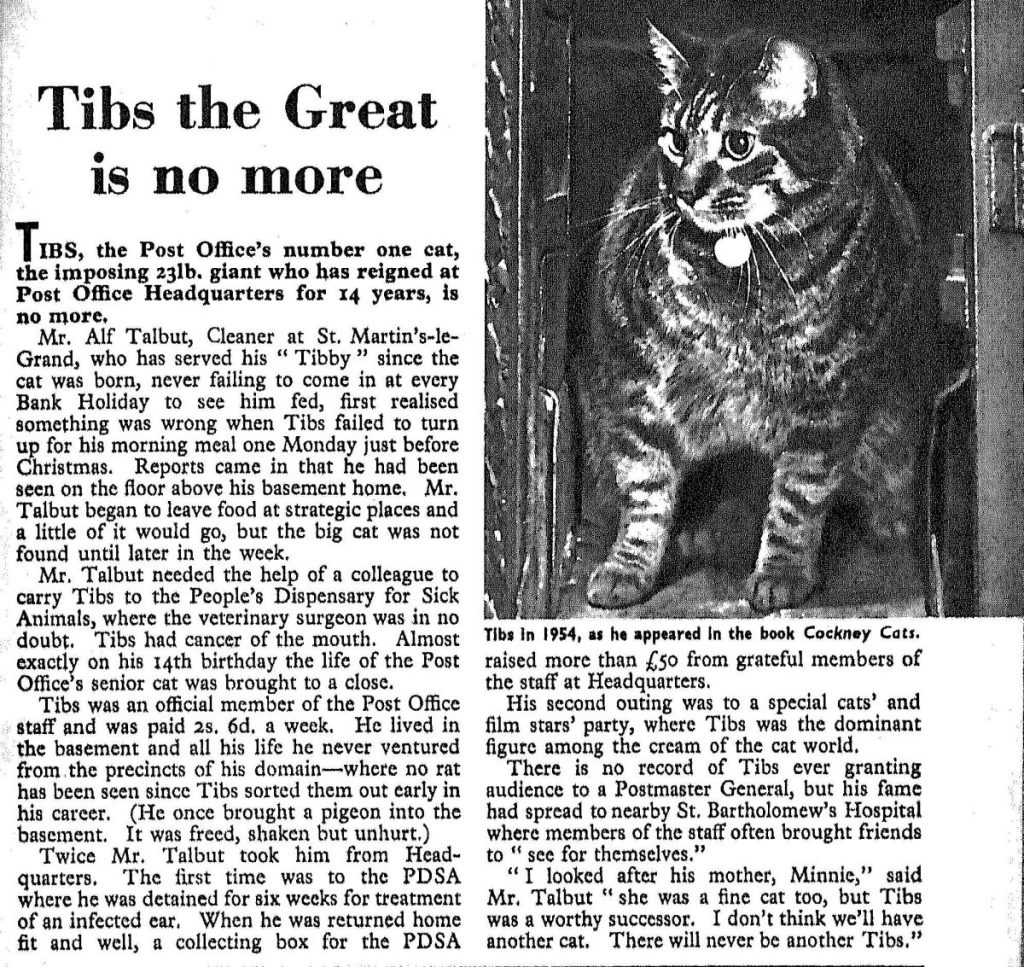
The news of Tibs’ death in the Post Office Magazine, January 1965. Photo: Online.

Following the successful precedent established in 1869, the British government began allocating an official budget for mouse-catching cats at the Prime Minister’s residence (10 Downing Street) in 1929. However, Larry is the first cat to officially hold the formal title of ‘Chief Mouser.’

Similar official assignments exist across other British ministries. The Treasury features a cat named Gladstone as its Chief Mouser, who assumed office in June 2016. His official introduction was slightly delayed due to the ongoing Brexit negotiations at the time. British media noted that within 48 hours of entering the office, Gladstone caught his first mouse, earning widespread praise across the ministry. Today, this cat boasts over 21,000 followers on Instagram. Media reports highlight him not only as an expert hunter but also as an effective public relations asset.

Similarly, the Foreign Office previously appointed Palmerston, a black and white cat, as its Chief Mouser. He was the first cat to officially hold that title in the Foreign Office. His turf wars with Larry at Downing Street generated considerable media coverage—so much so that Palmerston once had to be escorted out under police protection. Britain consistently utilizes these animals as instruments of soft power and diplomatic branding.
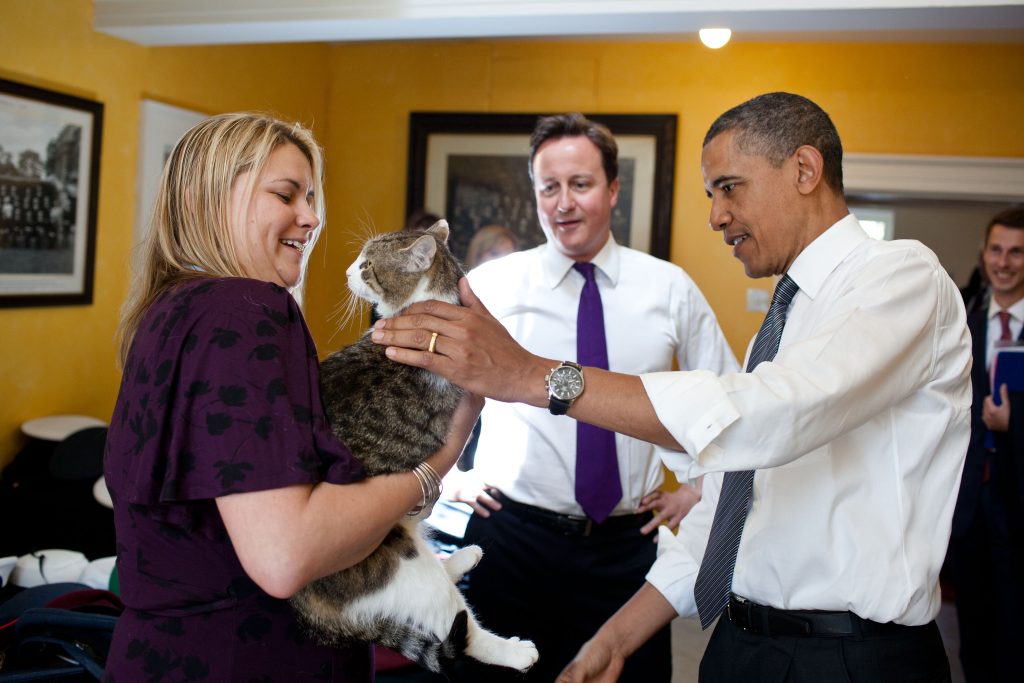
Former US President Barack Obama meeting Chief Mouser Larry at 10 Downing Street in 2011, alongside then-British Prime Minister David Cameron. (Photo: White House)

Whenever images of Larry alongside world leaders like former US Presidents Barack Obama and Donald Trump circulate in international media, they spark broader conversations about British diplomacy.

Interestingly, the expenses for Larry’s upkeep do not come from the state treasury. Instead, his care is entirely funded by voluntary contributions from the staff working at the Prime Minister’s Office.

A Lesson in Institutional Standards

While other nations do not necessarily need to replicate this exact practice, the way Britain treats a domestic animal and highlights it in the public sphere carries massive strategic value. Cultivating similar symbols of soft power within our own domestic institutions could significantly elevate their prestige, character, and public importance.

Preserving fundamental institutional and cultural standards within our political and administrative spheres can yield deeply positive impacts. It introduces an element of “emotional PR” that enriches a nation’s diplomacy and public administration.

In Nepal, the deep reverence shown to animals during various cultural festivals beautifully reflects our state and heritage. Animals such as cows, crows, dogs, oxen, and snakes are revered and worshipped as part of our cultural celebrations. In the diplomatic arena, Nepal has successfully carved out its own unique identity through wildlife diplomacy, presenting one-horned rhinoceroses and elephants as gifts to various nations. Similarly, gifts of Mithila art, intricate wooden sculptures, and symbols of Himalayan identity presented to visiting foreign heads of state serve as our own distinct institutional benchmarks.

The reputation, history, and administrative integrity of any institution must never shift with the changing face of a single ruler or individual. Instead, the system itself must remain resilient. A governance system should be strong enough to transcend the limitations of geography and time. When a state’s institutional frameworks and standards remain firm, their positive impacts endure for generations

My Note: This article was originally published in Nepali Version on Onlinekhabar on 10th Asadh, 2083 BS. Looking past the temporary political cycles of any nation, this piece explores a deeper lesson in governance: how a resilient administrative system maintains its standards, traditions, and institutional prestige regardless of who is in power. Using the unique legacy of Downing Street’s Chief Mouser, it examines the power of systemic stability and what nations like Nepal can learn from emotional public relations and institutional standards.

Article Link: https://www.onlinekhabar.com/2026/06/1961712/larry-the-cat-waiting-for-the-new-prime-minister-in-britain

Archive link:

Managing the Monkey Menace: How Do We Resolve the Human-Primate Conflict ?

From local villages to the halls of Parliament, the debate surrounding monkey management has once again taken center stage in national discourse. Communities bearing the brunt of monkey crop-raiding have voiced their grievances for a considerable duration. Even in the preceding parliamentary sessions, lawmakers put forward formal recommendations to the government regarding the mitigation of conflicts involving monkeys and other wildlife. Primate researchers, administrative enforcement bodies, and state departments have routinely submitted both written and verbal advisory frameworks to the executive branch. Yet, effective resolution strategies continue to falter.

Most recently, the Ministry of Forests and Environment constituted a technical committee comprising representatives from the Ministry of Agriculture and the Ministry of Home Affairs to mitigate agricultural losses driven by monkeys. Prior to this, the National Concern and Coordination Committee—which includes members from the Federal Parliament and National Assembly—produced a comprehensive field study report detailing the state of human-wildlife conflict. The diagnostic conclusions across nearly all these studies are remarkably uniform: prioritizing both short-term and long-term socio-ecological impacts remains paramount.

During a recent House of Representatives session, lawmaker and former minister Mahabir Pun asserted that entirely eliminating monkey-related conflict is an insurmountable challenge. Claiming that historical countermeasures had universally collapsed, he noted that building a rocket is actually scientifically easier than finding a simple technology to chase away a monkey.

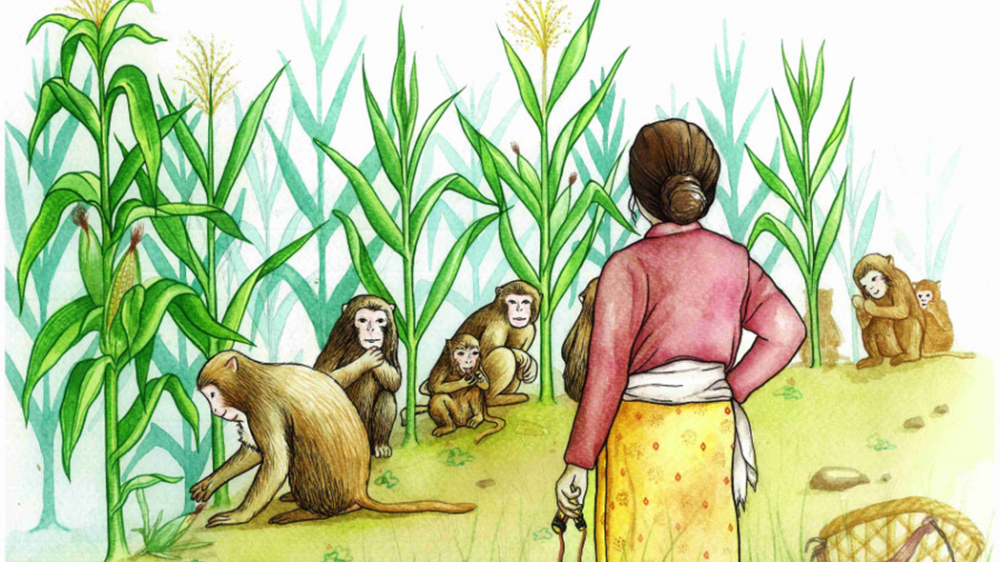
While the state has not been entirely devoid of attempts, vital questions persist: How should local municipalities be supported in resolving this crisis? Is the nation genuinely incapable, or are our institutional frameworks uniquely broken? These queries remain unanswered. In the mid-hill regions, the phenomenon of monkeys raiding maize crops is an ancestral grievance, tracing back generations. The fundamental disruption has always existed; the contemporary shift lies simply in the modern intensity and frequency of these occurrences.

“A 2009 report by the International Union for Conservation of Nature (IUCN) definitively concluded that there is no singular, absolute solution for managing conflict involving large primate species. Applying this reality to Nepal holds accurate across most contexts.”

Currently, our structural Achilles’ heel in primate management is a total deficit of institutional coordination. Merely capturing a troop of monkeys from one locality and abandoning them in another does not resolve the crisis. A few years ago, monkeys from the Jute Mills area in Biratnagar (the capital of Koshi Province) were rounded up and released into the Kanepokhari forest along the East-West Highway. Today, that exact highway stretch is terrorized by the relocated primate troops.

In attempting to resolve a localized issue, the authorities succeeded only in cultivating a new crisis elsewhere. This Morang exercise demonstrates that haphazard relocation merely shifts the geography of the problem rather than solving it. Relocation demands rigorous preliminary studies regarding carrying capacity, ecological baseline, and timing before execution.

Understanding the Primate Balance in Nepal

Nepal handles three distinct species of monkeys, each carrying a separate ecological status:

  • The Rhesus Macaque: Noted as ‘Least Concern’ on the global red list, yet acts as the primary source of agricultural and urban friction.
  • The Assamese Macaque: Categorized as ‘Near Threatened’ globally and strictly protected under federal environmental laws.
  • The Hanuman Langur: Spans four distinct sub-species, balancing between standard ecosystem populations and local vulnerabilities.

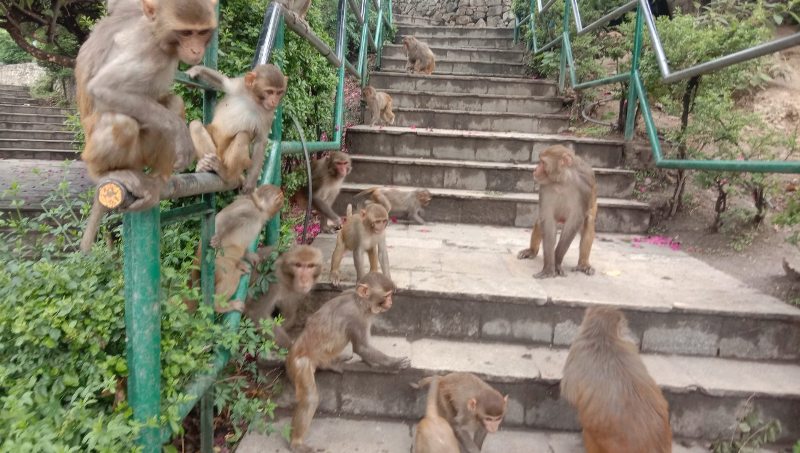
The ubiquitously visible species causing the highest degree of friction is the Rhesus Macaque. Its disruptive footprint spans the country. While agrarian communities endure the severest economic setbacks, they are not the sole victims. Pilgrims and religious sites are equally affected. In the Kathmandu Valley’s historical temples and shrines, primate troops routinely snatch ritual offerings, devotional items, and personal belongings from hundreds of visitors daily.

The Root Causes of Escalation

We cannot address the symptom without diagnosing the trigger. The baseline vectors include:

  • Systematic fragmentation and shrinking of native natural wildlife habitats.
  • Encroachment of dynamic farming properties direct up to forest lines.
  • The steady, unchecked drop in natural apex predators—specifically leopards—which traditionally balanced primate numbers naturally.
  • The steady availability of high-calorie human waste and deliberate feeding patterns.

The principal driver drawing monkeys into human settlements is the availability of effortless sustenance. In many regions, this migration is fueled not by an absolute scarcity of forest food, but by the opportunistic preference for calorie-dense, cultivated crops that require minimal foraging energy. In semi-urban zones, the absence of standardized solid waste management provides an ongoing, abundant food source that supports artificial population bubbles.

Shifting to Site-Specific Solutions

The primary reason strategic measures collapse is that we treat all troops identically. Interventions require a clear geographical taxonomy. A dynamic farm raider operates under distinct natural logic compared to a religious site scavenger. Managing them requires three distinct operational avenues:

Conflict Context Primary Behavioral Pattern Strategic Focus
Agrarian Farms Driven by seasonal crops, entering field borders out of hunger. Mid-hill cultivation buffer zones
Heritage Shrines Habituated directly to human religious handouts and daily offerings. Kathmandu Valley cultural centers
Urban Markets Scavenging effectively on open waste platforms and municipal disposal areas. Townships and commercial centers

Tailoring interventions to these specific behavioral profiles yields authentic results. Strategic design can incorporate available acoustic technologies, co-existence frameworks, and structural habitat restoration. Crucially, inter-governmental synchronization across Federal, Provincial, and Local tiers is imperative. With a decentralized structure, clarity must be established regarding specific tasks down to the ward level. Additionally, real-time communication networks to track primate movement and report early crop damage are essential.

Actionable Frameworks: Tactical and Systemic

Sustainable management requires balancing immediate farm defense with clinical long-term stabilization tools.

Short-Term Farm Safeguards: Incorporating botanical defense strategies by cultivating highly non-preferred, pungent boundary crops—such as lemons, limes, turmeric, Sichuan pepper (Timur), or hot chilies. These alter the initial risk-to-reward ratio for scouting troops. Farms can also incorporate solar-powered electrical perimeter boundaries (adapted from elephant control measures) and deploy directional acoustic alerts replicating localized alpha distress warnings to split up moving troops.

Long-Term Population Management: For isolated, high-density environments like urban cultural shrines, strategic biological population limits offer the most humane solution. Targeted laparoscopic sterilization models—which proved effective under parallel ecological strains in Himachal Pradesh, India—work reliably alongside the use of immunocontraceptive options (like PZP).

The Dead Ends: Export Protocols and Culling

Public discourse frequently circles back to international export mechanisms for medical laboratories. In reality, this route is blocked by massive legal, ethical, and international diplomatic challenges. Historically, regional neighbors like India and Bangladesh handled massive primate export contracts. Between 1956 and 1978, India shipped approximately 120,000 rhesus macaques to western clinical centers. However, deep structural pushback on animal welfare rights forced a comprehensive, permanent ban in 1979. Re-activating these transport chains in the modern regulatory landscape remains completely out of reach.

Similarly, the option of state-sanctioned lethal control or “culling” hits a brick wall. A nation like Nepal, deeply anchored in cultural, spiritual, and Vedic structural history, cannot reconcilably evaluate the mass systematic extermination of a species deeply bound to holy and revered spiritual dynamics.

The Horizon of Coexistence

Ultimately, there is no absolute, hands-off scientific cure to erase human-macaque friction entirely. The strategic mindset must transform from ideas of total exclusion toward intelligent, landscape-led coexistence. By securing physical perimeters, standardizing local municipal waste streams, and deploying clean tracking networks directly down to individual village wards, communities can establish strong structural perimeters while successfully preserving the shared natural eco-system.

Translation of my original opinion column published in Kantipur Daily.

Link: https://ekantipur.com/opinion/2026/05/25/how-to-manage-human-ape-conflict-52-18.html

Madi’s Women are leading green change

Gobinda Prasad Pokharel

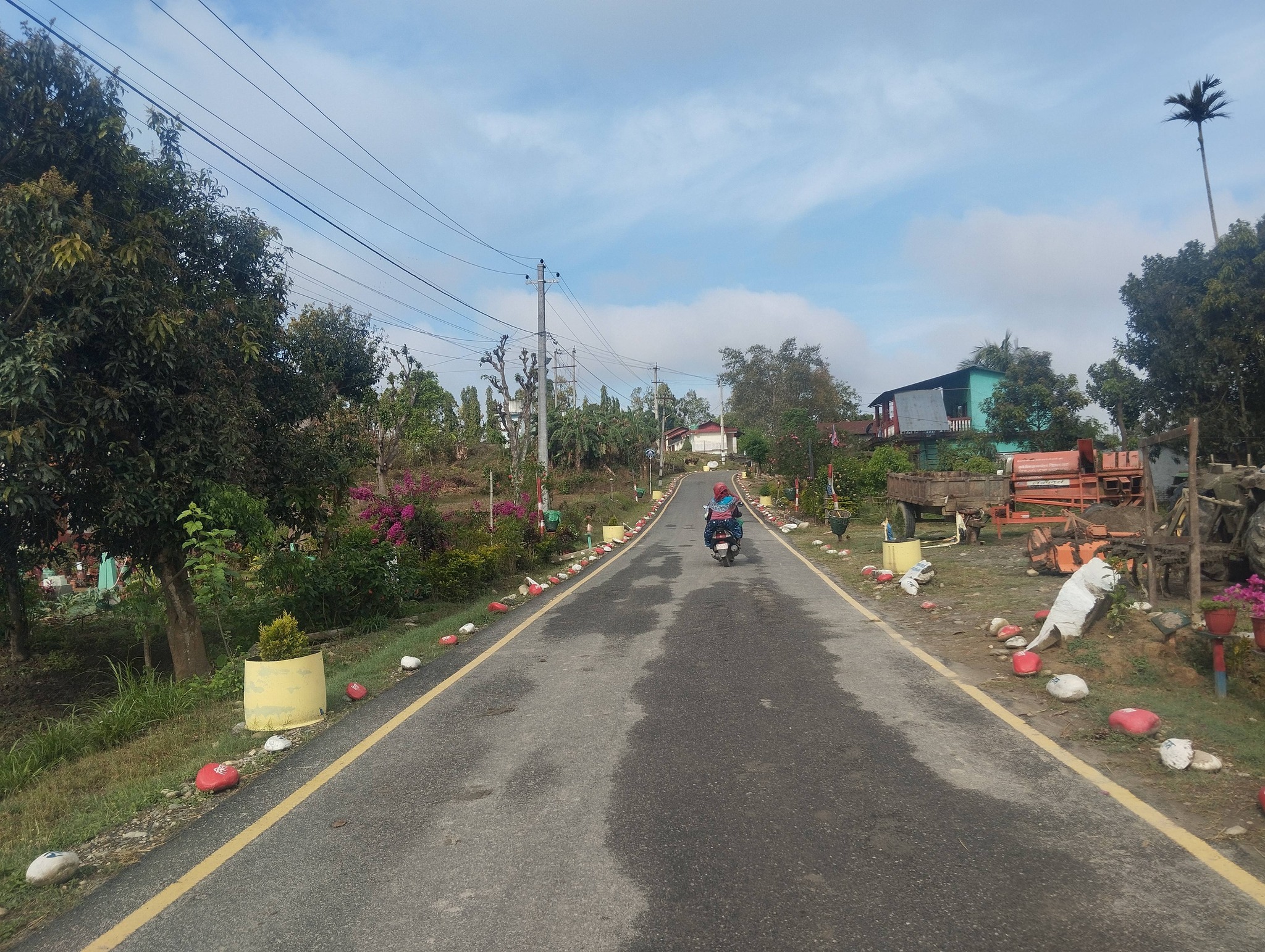
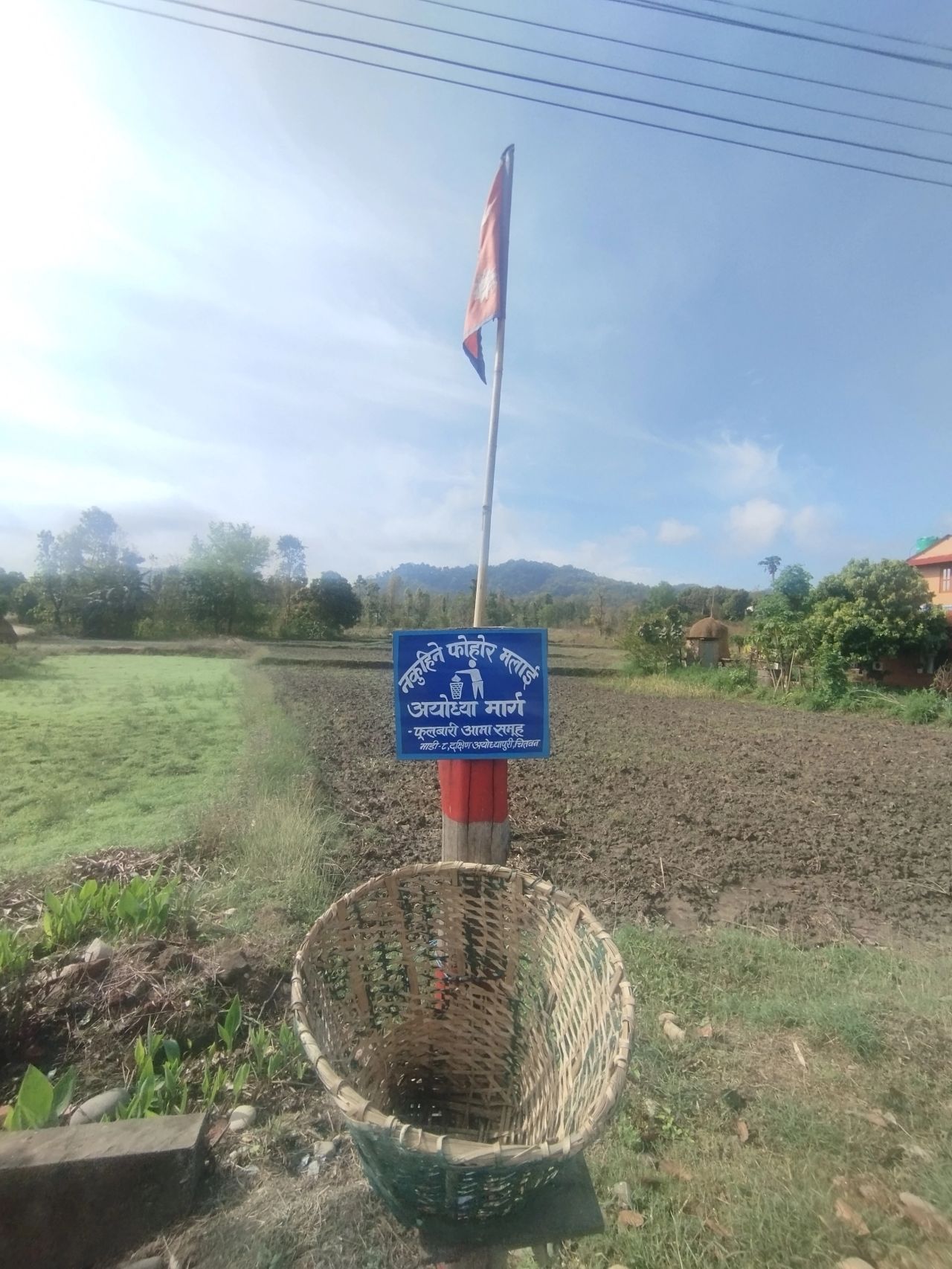
Last week I visited Madi, Chiwan as part of my official work.  I am attracted by a village in Ayodhyamarga in Ward No. 8 of Madi. There is a village called Phulbari Tole in that ward. The village is actually transforming. Unique things are being implemented and practised here.

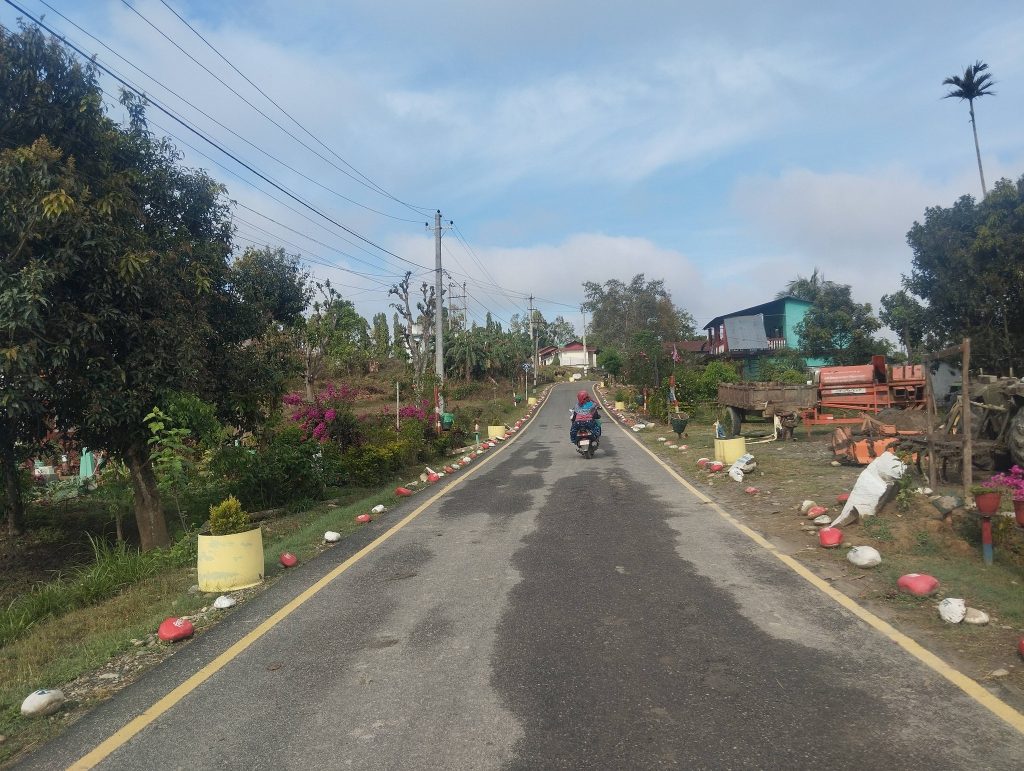
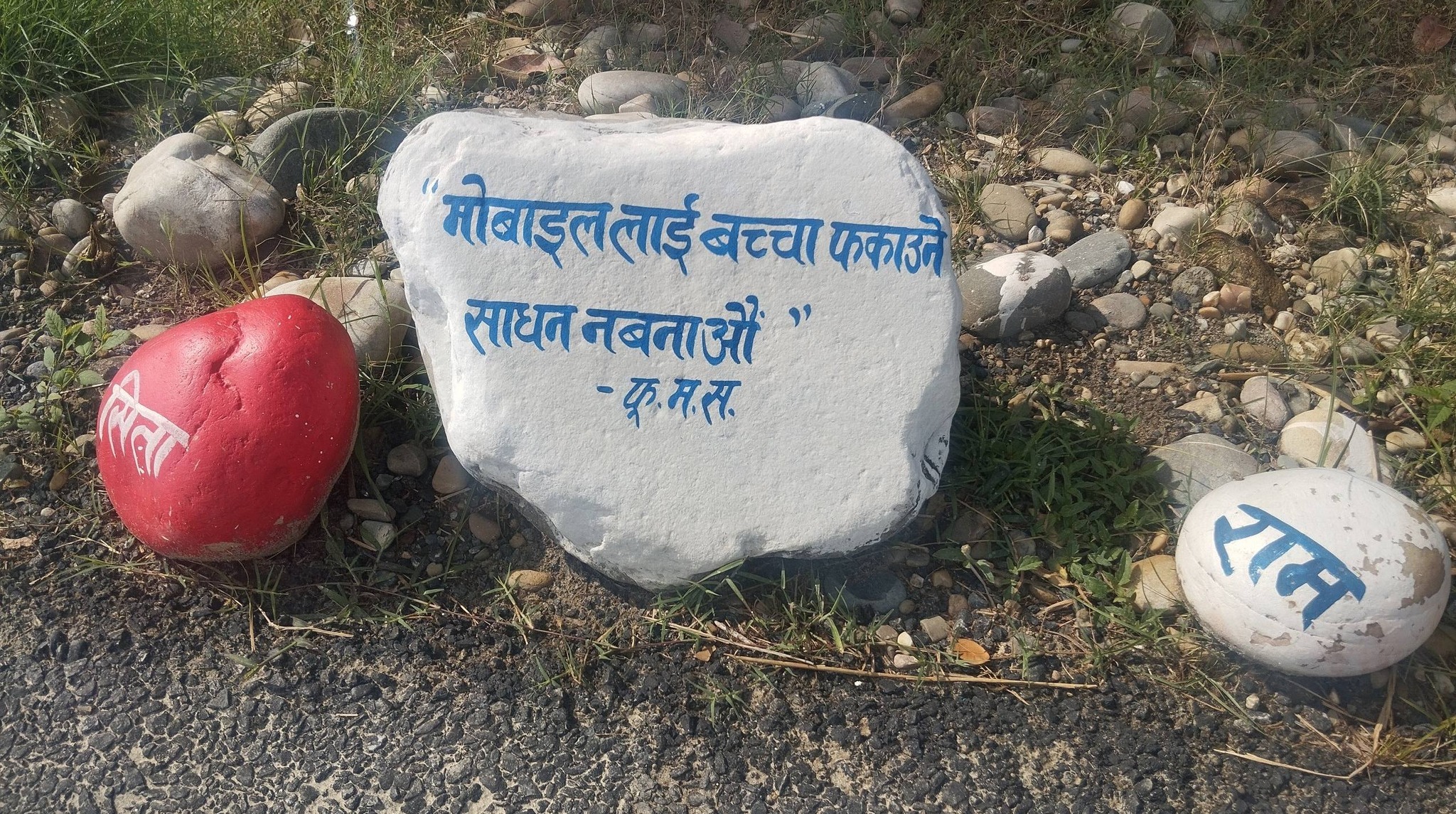
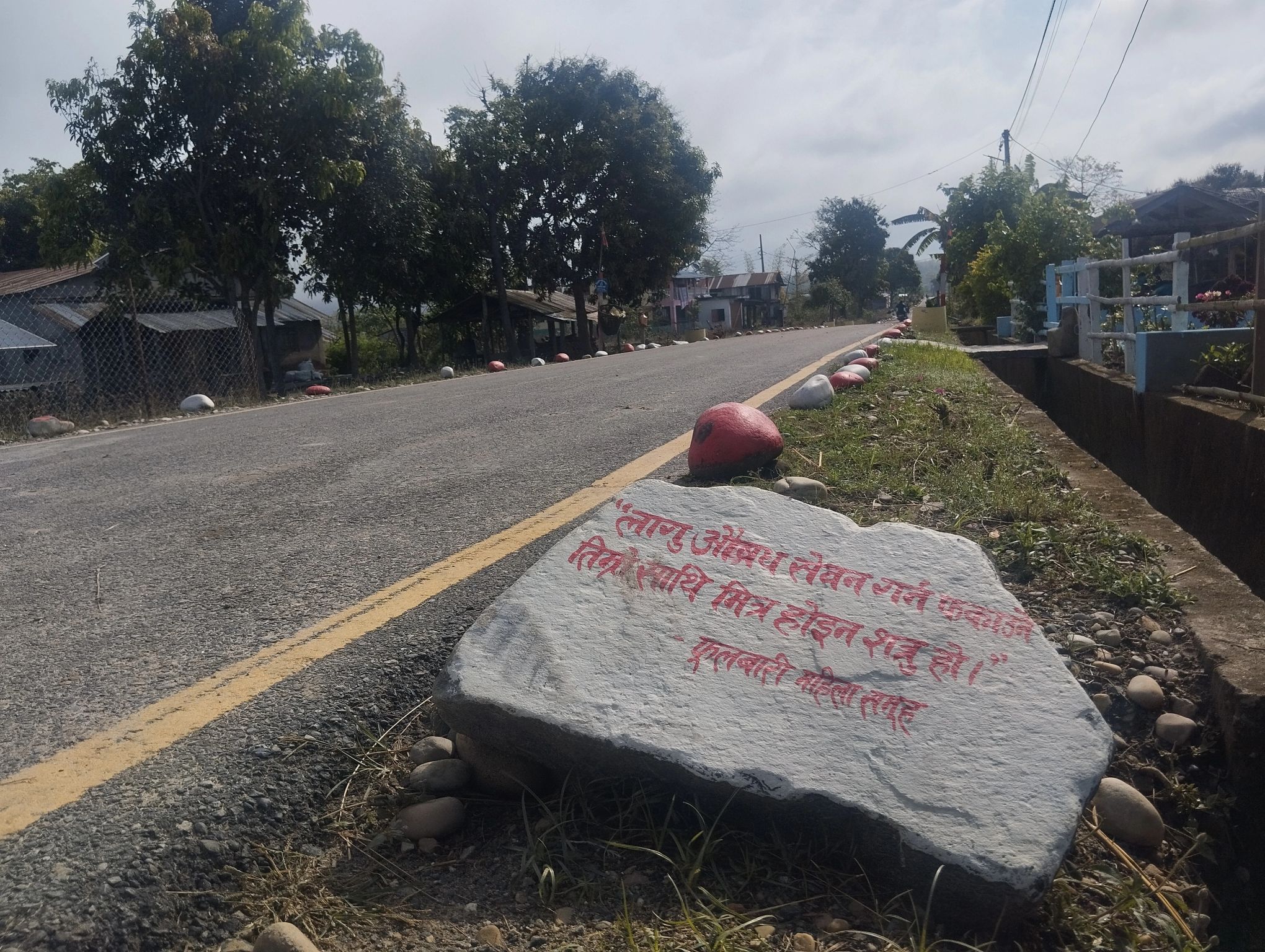
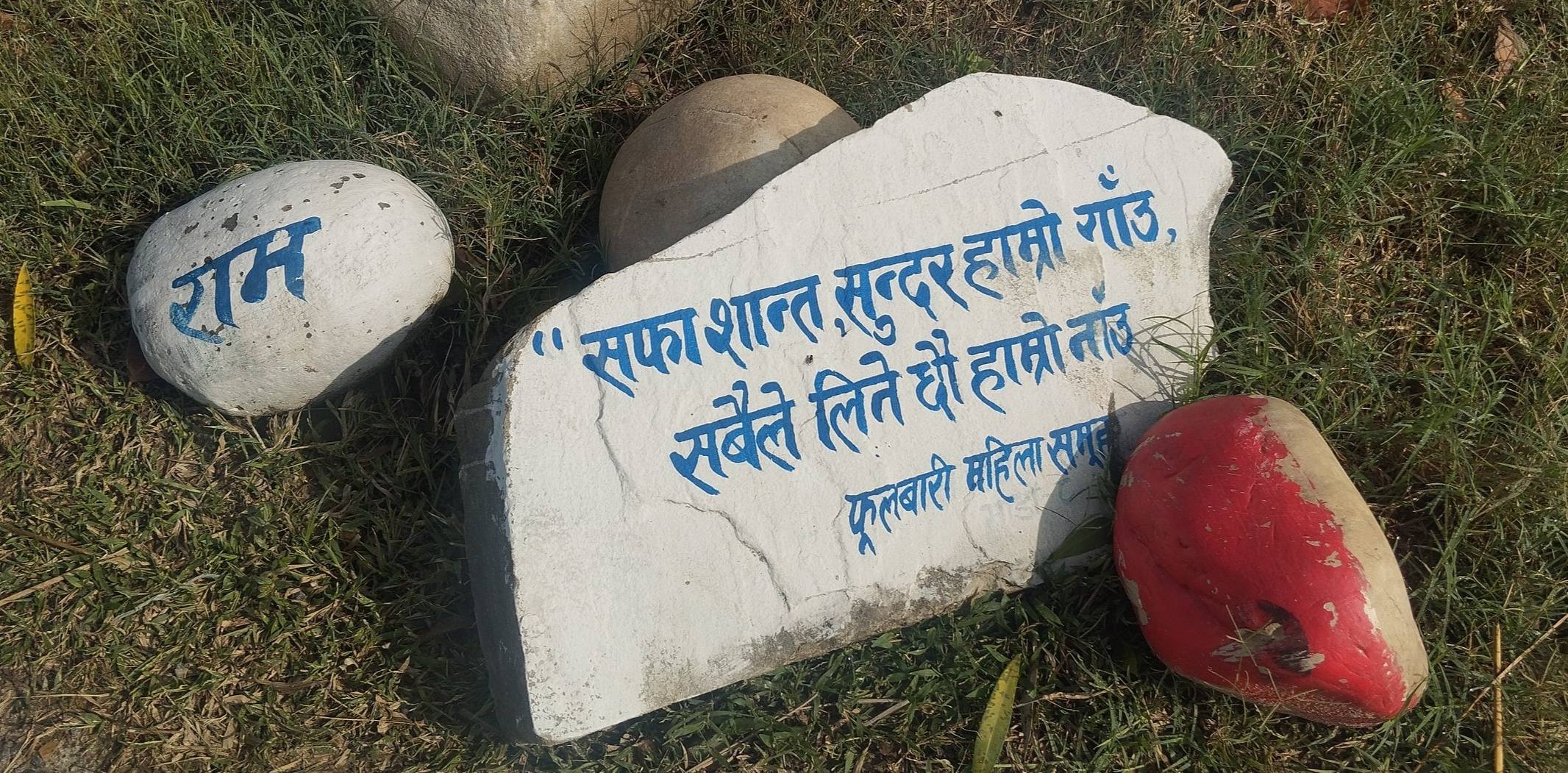
The community there is working tirelessly to transform their place into a model village under the leadership of the Phulbari Mothers’ Group. As you walk through the lanes, you will notice beautifully laid stones inscribed with the names ‘Ram’ and ‘Sita’ and almost every home is greeted by a lush, vibrant garden.

What makes this village truly special is its commitment to environmental by reducing plastic waste. These very stones carry eco-friendly messages.

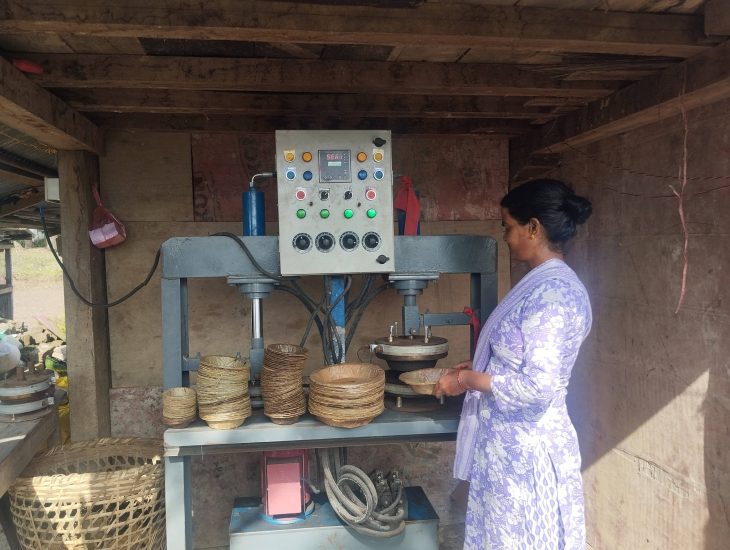
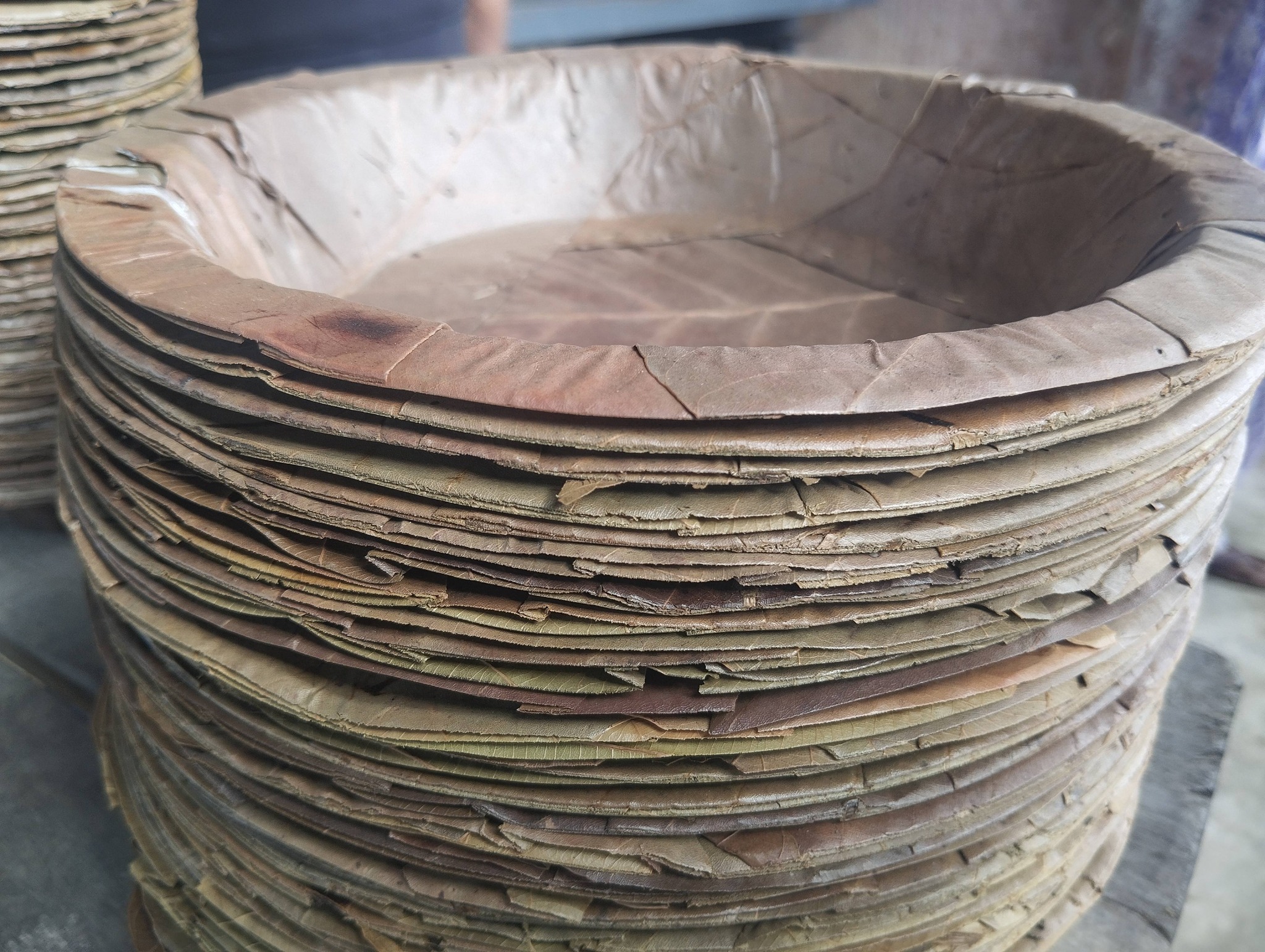
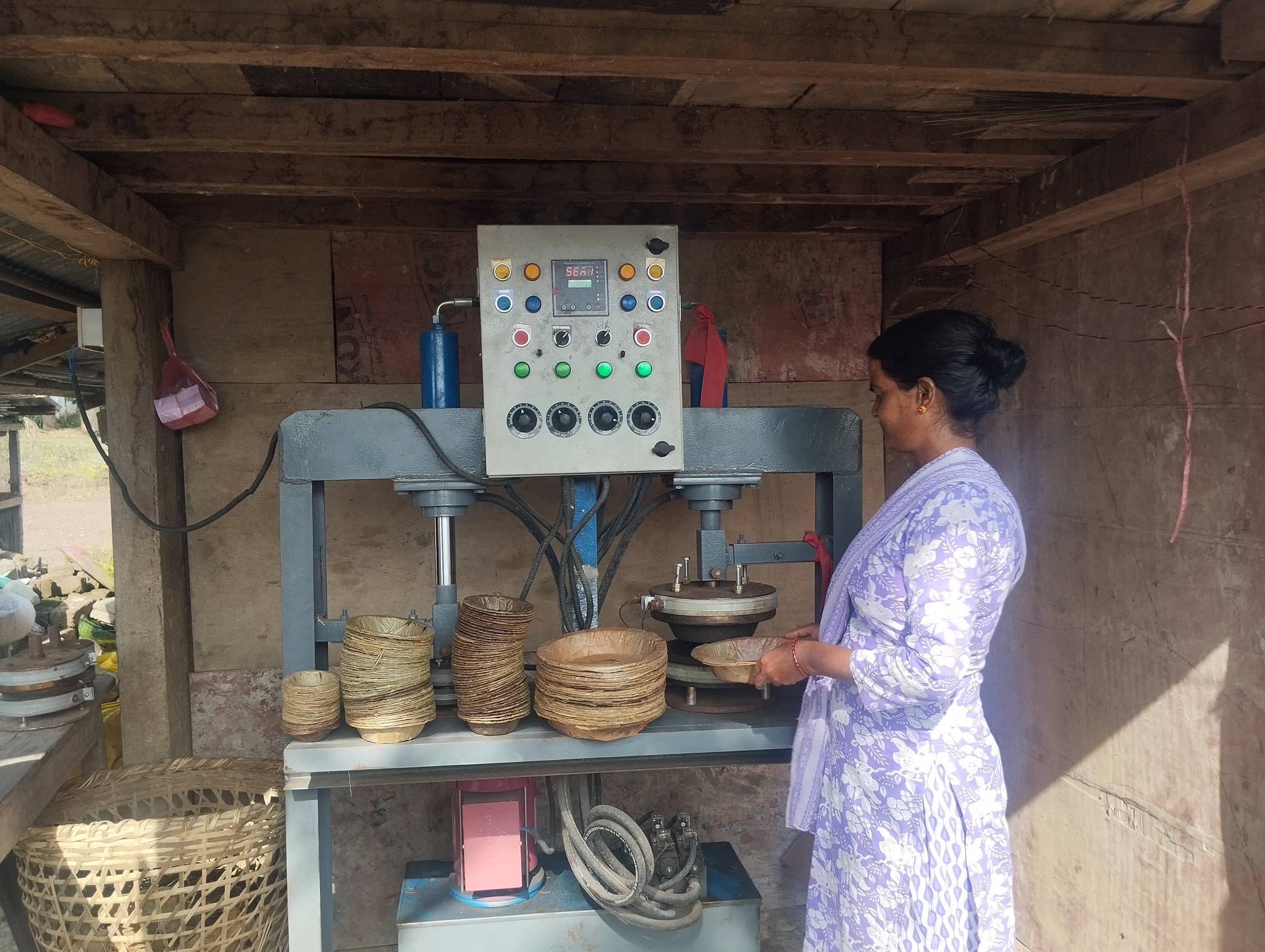
With technical support from the National Trust for Nature Conservation, the community has established a local industry using two specialized machines to produce Duna-Tapari (traditional leaf plates and bowls). This activity is run directly by the Phulbari Mothers’ Group and local residents, aims to completely phase out the use of plastic.

The group consists of 32 women members who collect fallen Sal leaves from the nearby Buffer Zone Community Forest. They dry these leaves and process them through machines to create biodegradable plates. This campaign is an example of how environment protection can go hand-in-hand with economic empowerment, allowing local women to generate an income right from their homes.

The small factory has the capacity to produce over 300 leaf plates a day, which are sold for anywhere between 1 to 5 rupees depending on the size. Unlike plastic, which plagues the environment, these Sal leaf products decompose naturally and pose no threat to nature.

hashtagNTNC hashtagconservation hashtagmadi hashtagLivelihood hashtagplasticfree hashtagenvironment hashtaggobindapokharel hashtagbeatplasticpollution hashtagbufferzone hashtagmadiValley hashtagchitwan

Space Technology is Nepal’s Next Frontier for Diplomacy

In my latest article for The Diplomat Nepal, I explore why space is no longer a luxury for developing nations ?  In this article I explored about the success of NepaliSat-1 and Munal. Embrace the $1.8 trillion global space market by 2035.

I argued that the reality of the 21st century is  space technology is the backbone of modern disaster resilience, climate monitoring and telecommunications.

Having followed our journey from the initial launch in 2019 to the current manufacturing of the RSMS-sat constellation, I believe our greatest strength lies in our soft power diplomacy.

Read More

नेपालका सिमसारको बिग्रँदो स्वास्थ्य

गोविन्द पोखरेल

हरेक वर्षको फेब्रुअरी २ तारिखका दिन विश्वव्यापी रूपमा सिमसार दिवस मनाइँदै आइएको छ । यो वर्ष सिमसार र परम्परागत ज्ञानमा आधरित नारा रहेको छ ।

नेपालको सिमसार नीति, २०६९ ले प्राकृतिक तथा कृत्रिम रूपमा पानी जमेर वा बगेर,अस्थायी वा स्थायी रुपमा बनेको दलदल क्षेत्रलाई सिमसार भनेर परिभाषित गरेको छ । सरल भाषामा भन्नुपर्दा सिमसारमा न पानी सुक्छ न त जमिन नै लुक्छ ।

Read More

Nepal’s Black Panthers

A few months ago, a mesmerizing black leopard at Nepal’s Central Zoo took social media by storm. But behind those viral photos lies a deeper, more urgent story about survival. In the December of 2025, I wrote ‘The Melanistic Mystery of Leopards’ on Diplomat Nepal.

Contrary to popular belief, these aren’t a separate species. They are common leopards with a genetic mutation called melanism. While beautiful, their increasing presence in districts like Ilam and Kavre isn’t just luck—it’s a warning sign. In this article I tried to explain how habitat fragmentation and urbanization are pushing these species out of the forests and into human settlements.

Read More

The ‘Sleeping Giant’ of Nepal

Gobinda Prasad Pokharel

Today, a photograph released by the Rastriya Samachar Samiti (RSS) caught my eye. It was a captivating shot of Kumbhakarna Himal. Struck by its beauty, I found myself digging deeper into the story behind this peak. What I discovered was a fascinating blend of culture, mythology and mountaineering history that I felt compelled to share.

Read More

How Nepal Mastered Tiger Diplomacy

Gobinda Prasad Pokharel

When we think of diplomacy we usually picture suits, handshakes and conference rooms. But in Nepal, diplomacy has stripes.

I recently came across an article on Diplomat Nepal titled ‘The Roar of Nepal’s Tiger Diplomacy’. I couldn’t stop thinking about it. We often hear doom and gloom stories about endangered species, but Nepal is writing a different narrative one where conservation isn’t just about saving animals. It’s about national pride, international relations and economic survival.

Read More

Chasing the Indian Flapshell Turtle

Gobinda Prasad Pokharel

It was a normal afternoon in my village home in Urlabari Municipality, Morang District. While walking along the roadside, I noticed something unusual — a tiny turtle barely 100 grams was struggling to move across the concrete path.

Its shell was soft and flexible and with a closer look, I realized it was the Indian Flapshell Turtle — locally called ‘पुतली कछुवा’ or Butterfly Turtle.

Read More

Should we demolish the ruins of the Gen-Z Movement or build a memorial museum?

Gobinda Prasad Pokharel 

On Bhadra 23 and 24, the Gen-Z movement overturned the politics of the country. Its main demands were: an end to growing corruption, halting politicization in public institutions, retirement of the top party leaders, and withdrawal of the decision to ban social media. Because of this anger, 19 youths protesting on the streets lost their lives. After their deaths, the outrage grew even stronger. The next day, the country faced a massive revolt that turned the three major state structures of Nepal into ashes. Altogether, 72 people died in this uprising.

Read More